<?xml version="1.0" encoding="utf-8"?><feed xmlns="http://www.w3.org/2005/Atom" ><generator uri="https://jekyllrb.com/" version="4.3.4">Jekyll</generator><link href="https://willowbrookrehabhc.com/feed.xml" rel="self" type="application/atom+xml" /><link href="https://willowbrookrehabhc.com/" rel="alternate" type="text/html" /><updated>2026-04-28T16:27:44+00:00</updated><id>https://willowbrookrehabhc.com/feed.xml</id><title type="html">Whopperhouse</title><subtitle>Visit us at [[name_lg]] in [[address_city]], [[address_state]]</subtitle><entry><title type="html">Kidney Friendly Recipes, Cookbooks &amp;amp; Guides</title><link href="https://willowbrookrehabhc.com/resources/kidney-friendly-recipes-cookbooks/" rel="alternate" type="text/html" title="Kidney Friendly Recipes, Cookbooks &amp;amp; Guides" /><published>2026-03-27T00:00:00+00:00</published><updated>2026-03-27T00:00:00+00:00</updated><id>https://willowbrookrehabhc.com/resources/kidney-friendly-recipes-cookbooks</id><content type="html" xml:base="https://willowbrookrehabhc.com/resources/kidney-friendly-recipes-cookbooks/"><![CDATA[<p>Diet plays a key role in supporting kidney health, whether you are <a href="/resources/managing-healthy-kidney-diet/">dining out</a> or preparing your own meals. Adjusting meals to support kidney health is important, but recommendations should be individualized based on lab values, overall health, and related conditions such as diabetes. Each individual has unique nutritional requirements, therefore it is important to consult your healthcare team and seek guidance from a renal dietitian for personalized assistance.</p>
<p>This guide, dedicated to individuals grappling with kidney disease, their families, and caregivers, aims to simplify the journey by offering a curated selection of kidney-friendly recipes and cookbooks. Whether you&#x27;re navigating non-dialysis chronic kidney disease, undergoing dialysis, managing diabetes alongside dialysis, or post-transplant, our goal is to provide helpful information for an enjoyable, nutrition-focused culinary experience.¹</p>
<h2>Navigating a Kidney Friendly Diet</h2>
<p>Getting started on a <a href="/resources/managing-healthy-kidney-diet/">kidney-friendly diet</a> is a crucial step in managing chronic kidney disease (CKD). This dietary journey involves individualized adjustments based on lab results and clinical guidance, which may include monitoring sodium, potassium, protein, limiting processed foods that contain phosphorus additives, and fluid intake when levels are outside recommended ranges. These modifications play a vital role in maintaining a delicate balance of electrolytes, minerals, and fluid levels within the body. ²</p>
<p>Following this specialized diet goes beyond just addressing kidney-related concerns, it also brings broader health benefits. By following a kidney-friendly diet, individuals can contribute to the overall well-being of their bodies. ²</p>
<p>While these general principles apply to many individuals with CKD, nutritional needs can differ significantly depending on treatment approach.</p>
<h2>Special Considerations for Dialysis Patients</h2>
<p>For individuals undergoing dialysis, nutritional needs differ from those with non-dialysis CKD. Protein needs are typically higher to help maintain muscle mass and overall health, while fluid intake may need to be more carefully managed between treatments. Electrolyte guidance should continue to be based on lab values and individualized recommendations from the care team.</p>
<p>For guidance on managing a kidney-friendly diet, it’s best to consult a registered dietitian who specializes in kidney health. They can create a personalized plan and work with your healthcare team to ensure a balanced approach to nutrition.</p>
<h2>Recommended Recipe Websites</h2>
<p>These curated recipe websites offer a variety of kidney-friendly meals designed with both flavor and nutrition in mind. From simple dishes to creative twists, they provide helpful ideas for those mindful of their kidney function.</p>
<h3>National Kidney Foundation</h3>

<p><img src="https://cdn.sanity.io/images/xu1qs6w1/production/723486558ae3b6457643bfb807eaff1de9a933a6-278x70.png" alt="Image" /></p>

<p>National Kidney Foundation’s Recipes are great for sorting by meal, nutrition, and CKD stage.</p>
<p>Browse delicious, kidney-friendly recipes from quick side dishes to full course meals.</p>
<p><a href="https://www.kidney.org/nutrition/recipes">View Recipes</a></p>
<h3>The Mayo Clinic</h3>

<p><img src="https://cdn.sanity.io/images/xu1qs6w1/production/76cd5b1873043a5c0e426bf1ade2f555c6a78ec1-167x91.png" alt="Image" /></p>

<p>The Mayo Clinic’s Recipes are listed in an easy-to-read format, broken down by meal type.</p>
<p>Check out tasty recipes from appetizers to desserts, all with kidney health in mind.</p>
<p><a href="https://www.mayoclinic.org/healthy-lifestyle/recipes/kidney-renal-diet-recipes/rcs-20522796">View Recipes</a></p>
<h3>Northwest Kidney Center</h3>

<p><img src="https://cdn.sanity.io/images/xu1qs6w1/production/00b238aa7bdde0f3e24b285637e2145db1fdbe20-344x95.png" alt="Image" /></p>

<p>Northwest Kidney Center’s Recipes provide great visuals, sorting ability, and variety.</p>
<p>Coming up with healthy new ideas for meals and beverages is easy with this helpful guide.</p>
<p><a href="https://www.nwkidney.org/living-with-kidney-disease/recipes/">View Recipes</a></p>
<h2>Best-Selling Kidney Health Resources</h2>
<p>Explore a collection of best-selling kidney-friendly cookbooks and practical nutrition tools. From nutrient-conscious recipes to easy-to-read food charts and structured meal planning guides, these resources make it simpler to support kidney health without sacrificing flavor or variety.</p>
<h3>Renal Diet Cookbook for the Newly Diagnosed</h3>

<p><img src="https://cdn.sanity.io/images/xu1qs6w1/production/cbbb6c2ba7d8f13d320790bf01ea49a8e9b7c1ed-289x357.png" alt="Image" /></p>

<p>Susan Zogheib, MHS, RD, LDN, is a food-and nutrition-communications consultant with over ten years’ experience working as a clinical dietitian. As a renal dietitian with DaVita Healthcare Partners, she enjoys helping patients live a healthier lifestyle while battling kidney disease.</p>
<p><a href="https://a.co/d/ihBwvfa">View Book</a></p>
<h3>Stopping Kidney Disease Food Guide</h3>

<p><img src="https://cdn.sanity.io/images/xu1qs6w1/production/1201e2acac74a50722b8a9a51b3139391dc50bce-290x376.png" alt="Image" /></p>

<p>Lee Hull has been a kidney patient for the past twenty-two years, the first twelve of which he spent trying to cure an incurable kidney disease. Lee went into remission ten years ago and has stayed in remission using the treatment and diet plan in this book.</p>
<p><a href="https://a.co/d/dSn9A1P">View Book</a></p>
<h3>HAMIEW 3 Set CKD Guide</h3>

<p><img src="https://cdn.sanity.io/images/xu1qs6w1/production/6a6f227d6da203bdba4d384b0d9a154afa5ccd8d-250x272.png" alt="Image" /></p>

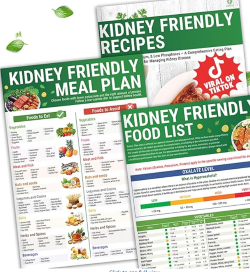
<p>HAMIEW created this easy-to-read kidney-friendly chart set to support individuals managing CKD and hypertension. The bundle includes a clear food list chart, structured meal plan chart, and practical guide highlighting low sodium, potassium, and phosphorus options.</p>
<p><a href="https://a.co/d/07uBqL5F">View Bundle</a></p>
<h2>Cooking Tips for Healthy Kidney Meals</h2>
<p>Many kidney-friendly eating patterns emphasize a more plant-forward approach, incorporating foods like beans, lentils, and tofu while balancing nutrient needs. Incorporating ingredients like quinoa and cauliflower can add variety, with choices guided by individual potassium needs and lab results.</p>
<p>Plant-based sauces can be made using seasoned rice milk and homemade roasted vegetable stock, providing depth of flavor while keeping sodium low. Drawing from traditional European methods, simple stocks serve as a reliable base, and herb blends or roasted seasonings can enhance taste without added salt. For those managing CKD, reducing fat is also important—substituting vegetable stock for oils in dressings offers a lighter alternative without sacrificing flavor. To address sugar cravings, focus on fresh, in-season fruit, plant-based dips, or vegetable spreads on low-sodium crackers, gradually decreasing added sugar while still enjoying satisfying treats.</p>
<p>These simple, practical tips help make kidney-friendly cooking easier and more enjoyable. ³</p>
<h2>Get Cookin’!</h2>
<p>With a little creativity and the right ingredients, kidney-friendly meals can be both satisfying and enjoyable. By exploring insightful recipes and cookbooks while following the guidance of their dietitians, individuals managing chronic kidney disease can savor meals that are both nourishing and flavorful, supporting a higher quality of life.</p>
<p></p>
<h3>Get in Touch</h3>
<p>Learn more about how <a href="/care/renalx-ckd-management/">RenalX</a> at Willow Brook  supports personalized care for patients in Wilmington, MA. <a href="/contact/">Contact us</a> today to schedule a tour or speak with a member of our care team.</p>]]></content><author><name>Unknown Author</name></author><category term="CKD" /><category term="No Tags" /><summary type="html"><![CDATA[Diet plays a key role in supporting kidney health, whether you are dining out or preparing your own meals. Adjusting meals to support kidney health is important, but recommendations should be individualized based on lab values, overall health, and related conditions such as diabetes. Each individual has unique nutritional requirements, therefore it is important to consult your healthcare team and seek guidance from a renal dietitian for personalized assistance. This guide, dedicated to individuals grappling with kidney disease, their families, and caregivers, aims to simplify the journey by offering a curated selection of kidney-friendly recipes and cookbooks. Whether you&#x27;re navigating non-dialysis chronic kidney disease, undergoing dialysis, managing diabetes alongside dialysis, or post-transplant, our goal is to provide helpful information for an enjoyable, nutrition-focused culinary experience.¹ Navigating a Kidney Friendly Diet Getting started on a kidney-friendly diet is a crucial step in managing chronic kidney disease (CKD). This dietary journey involves individualized adjustments based on lab results and clinical guidance, which may include monitoring sodium, potassium, protein, limiting processed foods that contain phosphorus additives, and fluid intake when levels are outside recommended ranges. These modifications play a vital role in maintaining a delicate balance of electrolytes, minerals, and fluid levels within the body. ² Following this specialized diet goes beyond just addressing kidney-related concerns, it also brings broader health benefits. By following a kidney-friendly diet, individuals can contribute to the overall well-being of their bodies. ² While these general principles apply to many individuals with CKD, nutritional needs can differ significantly depending on treatment approach. Special Considerations for Dialysis Patients For individuals undergoing dialysis, nutritional needs differ from those with non-dialysis CKD. Protein needs are typically higher to help maintain muscle mass and overall health, while fluid intake may need to be more carefully managed between treatments. Electrolyte guidance should continue to be based on lab values and individualized recommendations from the care team. For guidance on managing a kidney-friendly diet, it’s best to consult a registered dietitian who specializes in kidney health. They can create a personalized plan and work with your healthcare team to ensure a balanced approach to nutrition. Recommended Recipe Websites These curated recipe websites offer a variety of kidney-friendly meals designed with both flavor and nutrition in mind. From simple dishes to creative twists, they provide helpful ideas for those mindful of their kidney function. National Kidney Foundation]]></summary></entry><entry><title type="html">Dining Out With CKD: Healthy Eating Options</title><link href="https://willowbrookrehabhc.com/resources/dining-out-with-ckd/" rel="alternate" type="text/html" title="Dining Out With CKD: Healthy Eating Options" /><published>2026-03-23T00:00:00+00:00</published><updated>2026-03-23T00:00:00+00:00</updated><id>https://willowbrookrehabhc.com/resources/dining-out-with-ckd</id><content type="html" xml:base="https://willowbrookrehabhc.com/resources/dining-out-with-ckd/"><![CDATA[<p>If you&#x27;ve been diagnosed with Chronic Kidney Disease (CKD), maintaining a <a href="/resources/managing-healthy-kidney-diet/">kidney-friendly diet</a> plays a central role in protecting your overall health. While dietary restrictions can feel limiting, they don’t have to mean giving up restaurant meals altogether. With preparation, awareness, and a few smart substitutions, you can still enjoy dining out while supporting your kidney function.</p>
<p>This guide outlines practical strategies for planning ahead, ordering wisely, and practicing mindful eating so you can balance health and enjoyment at the table.</p>
<h2>Understanding the Healthy Kidney Diet</h2>
<p>CKD affects your kidneys’ ability to filter waste and maintain proper fluid and electrolyte balance. Depending on the stage of your condition, you may need to monitor certain nutrients based on your lab results, including:</p>
<ul><li>Sodium, to help control blood pressure and reduce fluid retention</li><li>Potassium, to prevent dangerous heart rhythm changes</li><li>Phosphorus, processed foods and additives with phosphorus can build up in the blood and affect bone and heart health</li><li>Protein, since excess waste from protein metabolism can strain the kidneys</li><li>Fluids, particularly for individuals on dialysis</li></ul>
<p>Dietary recommendations may change over time, depending on lab values, treatment plan, and overall health status. For individuals undergoing dialysis, controlling fluid intake between treatments is especially important, as reduced urine output can lead to fluid buildup that affects the heart and lungs.</p>
<p>To navigate these dietary adjustments effectively, seek guidance from your healthcare provider, who can refer you to a registered dietitian specializing in kidney diets.¹</p>
<h2>Planning Ahead for Eating Out</h2>
<p>Dining out with CKD is much easier when you prepare in advance.</p>
<p>Earlier in the day, <a href="/resources/kidney-friendly-recipes-cookbooks/">consider moderating foods</a> that may be higher in sodium or potassium based on your individual needs, which can provide more flexibility when dining out. When managing phosphorus, focus on limiting processed foods that contain phosphorus additives. If you take phosphate binders, remember to bring them with you.</p>
<p>Before choosing a restaurant, review menus online when possible. Many chain establishments publish nutrition information, which can help you estimate sodium and portion sizes. Look for places that offer grilled, baked, or made-to-order options rather than heavily processed or pre-assembled dishes.</p>
<p>If you are not selecting the restaurant, communicate your needs to family and friends in advance. A simple explanation that people with kidney disease need to monitor sodium, potassium, or fluid intake can help them understand your choices and reduce stress at the table.</p>
<p>When in doubt, ask questions. Restaurants are accustomed to accommodating dietary preferences, and most are willing to make simple adjustments.</p>
<h2>Ordering Your Meal</h2>
<p>When reviewing the menu, focus on simple preparations and individual food items rather than combination dishes.<br /><br />Avoid stews, casseroles, quiches, pot pies, and mixed pasta dishes, which often contain hidden sodium, phosphorus additives from processed ingredients, and high-potassium ingredients. Instead, look for straightforward meals like grilled chicken, baked fish, or lean pork served with rice and vegetables.</p>
<p>When placing your order:</p>
<ul><li>Request no added salt or MSG</li><li>Ask for sauces, gravies, and dressings on the side</li><li>Skip cheese and cured meats when possible</li><li>Inquire about preparation methods</li></ul>
<p>Choose proteins that are baked, grilled, steamed, or poached instead of fried or heavily barbecued. Barbecue sauces and marinades are often high in sodium and sugar, and frying adds unnecessary fat.</p>
<p>For side dishes, rice, pasta, noodles, and bread are typically lower in potassium than roasted potatoes, fries, or chips, which may be beneficial for those who need to limit potassium based on lab results. When selecting vegetables, opt for lower-potassium options such as green beans, carrots, zucchini, or cabbage instead of spinach, tomatoes, or large portions of potatoes.</p>
<p>For protein, prioritize muscle meats like chicken breast, turkey, pork loin, or fish. Protein needs can vary, especially for individuals on dialysis who may require higher intake, so it’s important to follow personalized recommendations.</p>
<p>Clear communication with your server can make a meaningful difference in keeping your meal aligned with your dietary goals.</p>
<h2>Smart Substitutions</h2>
<p>Strategic substitutions allow you to enjoy variety while managing key nutrients, such as sodium and potassium, based on individual needs.</p>
<h3>Breakfast</h3>
<p>Breakfast menus can be surprisingly manageable with a few swaps:</p>
<ul><li>Choose egg scrambles or omelets with lower-potassium vegetables like mushrooms, onions, or squash, and skip sausage, bacon, or cheese.</li><li>Opt for toast, bagels, English muffins, or croissants over bran muffins or whole-grain cereals containing nuts and seeds.</li><li>Select pancakes, waffles, or French toast instead of home fries or hash browns.</li><li>Use jelly, jam, honey, or imitation maple syrup rather than real maple syrup.</li><li>Fruits like apples or applesauce may be lower in potassium than citrus options, which can be helpful for individuals managing elevated potassium levels.</li></ul>
<p>These small changes help reduce potassium intake while limiting processed foods with added phosphorus, without sacrificing flavor.</p>
<h3>Main Courses</h3>
<p>At lunch or dinner, focus on balance and simplicity:</p>
<ul><li>Grilled chicken with rice and green beans is typically a better option than chicken pot pie.</li><li>Baked tilapia or grilled salmon is preferable to fried fish or ribs with barbecue sauce.</li><li>A turkey sandwich on white or sourdough bread may be a better choice than one loaded with processed meats and cheese.</li><li>Use olive oil and vinegar or fresh lemon juice instead of creamy bottled dressings.</li></ul>
<p>Flavor foods with herbs, garlic, pepper, lemon, or vinegar rather than adding extra salt or sugary sauces.</p>
<p>These substitutions make meals both satisfying and supportive of kidney health.</p>
<h2>Mindful Eating with Kidney Disease</h2>
<p>Portion control is just as important as food selection. Restaurant servings are often larger than necessary, so consider:</p>
<ul><li>Asking about portion sizes before ordering</li><li>Skipping unnecessary sides or add-ons</li><li>Sharing an entrée with someone else</li><li>Taking half of the meal home</li></ul>
<p>Avoid mindlessly snacking on bread or appetizers before your meal arrives. Using the 20-minute rule — waiting 20 minutes before deciding on seconds or dessert — can help prevent overeating.</p>
<p>Fluid intake may require careful monitoring, particularly for individuals on dialysis or those with reduced urine output. Follow your provider’s daily fluid recommendations and remember that beverages, soups, ice, and even certain fruits contribute to total fluid intake. Water is generally the best choice, while caffeinated, sweetened, and alcoholic beverages may increase thirst and fluid demands.</p>
<h2>Enjoy Dining Out with Confidence</h2>
<p>Living with CKD requires thoughtful dietary decisions, but it does not mean eliminating the pleasure of eating out. With preparation, clear communication, and good choices, you can navigate restaurant menus confidently while protecting your kidney health.</p>
<p>Always consult your healthcare provider or renal dietitian for individualized guidance based on your stage of CKD, lab results, and treatment plan. With the right strategies in place, dining out can remain an enjoyable part of your lifestyle.</p>
<p></p>
<h3>Get in Touch</h3>
<p>Learn more about how <a href="/care/renalx-ckd-management/">RenalX</a> at Willow Brook  supports personalized care for patients in Wilmington, MA. <a href="/contact/">Contact us</a> today to schedule a tour or speak with a member of our care team.</p>]]></content><author><name>Unknown Author</name></author><category term="CKD" /><category term="No Tags" /><summary type="html"><![CDATA[If you&#x27;ve been diagnosed with Chronic Kidney Disease (CKD), maintaining a kidney-friendly diet plays a central role in protecting your overall health. While dietary restrictions can feel limiting, they don’t have to mean giving up restaurant meals altogether. With preparation, awareness, and a few smart substitutions, you can still enjoy dining out while supporting your kidney function. This guide outlines practical strategies for planning ahead, ordering wisely, and practicing mindful eating so you can balance health and enjoyment at the table. Understanding the Healthy Kidney Diet CKD affects your kidneys’ ability to filter waste and maintain proper fluid and electrolyte balance. Depending on the stage of your condition, you may need to monitor certain nutrients based on your lab results, including: Sodium, to help control blood pressure and reduce fluid retentionPotassium, to prevent dangerous heart rhythm changesPhosphorus, processed foods and additives with phosphorus can build up in the blood and affect bone and heart healthProtein, since excess waste from protein metabolism can strain the kidneysFluids, particularly for individuals on dialysis Dietary recommendations may change over time, depending on lab values, treatment plan, and overall health status. For individuals undergoing dialysis, controlling fluid intake between treatments is especially important, as reduced urine output can lead to fluid buildup that affects the heart and lungs. To navigate these dietary adjustments effectively, seek guidance from your healthcare provider, who can refer you to a registered dietitian specializing in kidney diets.¹ Planning Ahead for Eating Out Dining out with CKD is much easier when you prepare in advance. Earlier in the day, consider moderating foods that may be higher in sodium or potassium based on your individual needs, which can provide more flexibility when dining out. When managing phosphorus, focus on limiting processed foods that contain phosphorus additives. If you take phosphate binders, remember to bring them with you. Before choosing a restaurant, review menus online when possible. Many chain establishments publish nutrition information, which can help you estimate sodium and portion sizes. Look for places that offer grilled, baked, or made-to-order options rather than heavily processed or pre-assembled dishes. If you are not selecting the restaurant, communicate your needs to family and friends in advance. A simple explanation that people with kidney disease need to monitor sodium, potassium, or fluid intake can help them understand your choices and reduce stress at the table. When in doubt, ask questions. Restaurants are accustomed to accommodating dietary preferences, and most are willing to make simple adjustments. Ordering Your Meal When reviewing the menu, focus on simple preparations and individual food items rather than combination dishes.Avoid stews, casseroles, quiches, pot pies, and mixed pasta dishes, which often contain hidden sodium, phosphorus additives from processed ingredients, and high-potassium ingredients. Instead, look for straightforward meals like grilled chicken, baked fish, or lean pork served with rice and vegetables. When placing your order: Request no added salt or MSGAsk for sauces, gravies, and dressings on the sideSkip cheese and cured meats when possibleInquire about preparation methods Choose proteins that are baked, grilled, steamed, or poached instead of fried or heavily barbecued. Barbecue sauces and marinades are often high in sodium and sugar, and frying adds unnecessary fat. For side dishes, rice, pasta, noodles, and bread are typically lower in potassium than roasted potatoes, fries, or chips, which may be beneficial for those who need to limit potassium based on lab results. When selecting vegetables, opt for lower-potassium options such as green beans, carrots, zucchini, or cabbage instead of spinach, tomatoes, or large portions of potatoes. For protein, prioritize muscle meats like chicken breast, turkey, pork loin, or fish. Protein needs can vary, especially for individuals on dialysis who may require higher intake, so it’s important to follow personalized recommendations. Clear communication with your server can make a meaningful difference in keeping your meal aligned with your dietary goals. Smart Substitutions Strategic substitutions allow you to enjoy variety while managing key nutrients, such as sodium and potassium, based on individual needs. Breakfast Breakfast menus can be surprisingly manageable with a few swaps: Choose egg scrambles or omelets with lower-potassium vegetables like mushrooms, onions, or squash, and skip sausage, bacon, or cheese.Opt for toast, bagels, English muffins, or croissants over bran muffins or whole-grain cereals containing nuts and seeds.Select pancakes, waffles, or French toast instead of home fries or hash browns.Use jelly, jam, honey, or imitation maple syrup rather than real maple syrup.Fruits like apples or applesauce may be lower in potassium than citrus options, which can be helpful for individuals managing elevated potassium levels. These small changes help reduce potassium intake while limiting processed foods with added phosphorus, without sacrificing flavor. Main Courses At lunch or dinner, focus on balance and simplicity: Grilled chicken with rice and green beans is typically a better option than chicken pot pie.Baked tilapia or grilled salmon is preferable to fried fish or ribs with barbecue sauce.A turkey sandwich on white or sourdough bread may be a better choice than one loaded with processed meats and cheese.Use olive oil and vinegar or fresh lemon juice instead of creamy bottled dressings. Flavor foods with herbs, garlic, pepper, lemon, or vinegar rather than adding extra salt or sugary sauces. These substitutions make meals both satisfying and supportive of kidney health. Mindful Eating with Kidney Disease Portion control is just as important as food selection. Restaurant servings are often larger than necessary, so consider: Asking about portion sizes before orderingSkipping unnecessary sides or add-onsSharing an entrée with someone elseTaking half of the meal home Avoid mindlessly snacking on bread or appetizers before your meal arrives. Using the 20-minute rule — waiting 20 minutes before deciding on seconds or dessert — can help prevent overeating. Fluid intake may require careful monitoring, particularly for individuals on dialysis or those with reduced urine output. Follow your provider’s daily fluid recommendations and remember that beverages, soups, ice, and even certain fruits contribute to total fluid intake. Water is generally the best choice, while caffeinated, sweetened, and alcoholic beverages may increase thirst and fluid demands. Enjoy Dining Out with Confidence Living with CKD requires thoughtful dietary decisions, but it does not mean eliminating the pleasure of eating out. With preparation, clear communication, and good choices, you can navigate restaurant menus confidently while protecting your kidney health. Always consult your healthcare provider or renal dietitian for individualized guidance based on your stage of CKD, lab results, and treatment plan. With the right strategies in place, dining out can remain an enjoyable part of your lifestyle. Get in Touch Learn more about how RenalX at Willow Brook supports personalized care for patients in Wilmington, MA. Contact us today to schedule a tour or speak with a member of our care team.]]></summary></entry><entry><title type="html">Managing A Healthy Kidney Diet Guide</title><link href="https://willowbrookrehabhc.com/resources/managing-healthy-kidney-diet/" rel="alternate" type="text/html" title="Managing A Healthy Kidney Diet Guide" /><published>2026-03-09T00:00:00+00:00</published><updated>2026-03-09T00:00:00+00:00</updated><id>https://willowbrookrehabhc.com/resources/managing-healthy-kidney-diet</id><content type="html" xml:base="https://willowbrookrehabhc.com/resources/managing-healthy-kidney-diet/"><![CDATA[<p>Taking steps towards better kidney health often begins with understanding the significance our diets have on our bodies. It’s not just about food choices. It’s about building habits that support your body and protect kidney function over time.</p>
<p><a href="/resources/basics-of-kidney-health/">Protecting kidney health</a> matters for everyone, not just for people with kidney disease or those in the early stages of kidney failure. Explore how your diet impacts your kidneys and discover easy ways nutrition can support kidney function and improve your overall well-being in this informative guide.</p>
<h2>Essential Components of a Kidney-Friendly Diet</h2>
<p>Crafting a kidney-friendly diet involves considering key components crucial for ensuring these vital organs function properly, whether you are <a href="/resources/dining-out-with-ckd/">dining out</a> or <a href="/resources/dining-out-with-ckd/">preparing your own meals</a>. </p>
<h3>Controlling Sodium Intake</h3>
<p>Excess sodium significantly strains kidneys, resulting in high blood pressure and impacting filtration. Look for fresh, whole foods, limit processed options, read packaged food labels, and choose low-sodium alternatives. Preparing food with fresh ingredients will help you maintain a healthier sodium balance while protecting your kidneys. ¹</p>
<h3>Monitoring Protein Consumption</h3>
<p>Proper protein intake is crucial for maintaining healthy kidneys, however it is important to practice moderation to prevent making the kidneys work harder by overloading them. Consult a healthcare professional for personalized protein level recommendations aligned with your individual needs and health status. Adjust your protein intake at different kidney health stages to ensure you are striking the correct nutrition balance. ¹</p>
<h3>Choosing the Right Fats</h3>
<p>Include kidney-supportive omega-3 fatty acids from sources like fish and flaxseeds for proper nutrition. Identify and limit harmful fats, such as saturated and trans fats, commonly found in processed foods and certain oils. Choose healthier fat sources like canola oil, corn oil, peanut oil, and safflower oil. This approach promotes optimal kidney function and supports your general health. ¹</p>
<h2>Keeping Hydrated</h2>
<p>Drink enough water to keep your kidneys healthy. Adequate hydration helps them filter properly and keeps everything balanced inside your body. However, some people with <a href="/resources/5-chronic-kidney-disease-stages/">advanced Chronic Kidney Disease</a> or certain heart conditions may need to limit fluid intake, so hydration recommendations should always follow guidance from your healthcare provider.</p>
<h3>Tips for Ensuring Sufficient Fluid Intake</h3>
<ol><li><strong>Sip Throughout the Day:</strong> Use a large water bottle to consistently sip water.</li><li><strong>Incorporate Hydrating Foods:</strong> Consume water-rich fruits and vegetables.</li><li><strong>Listen to Your Body:</strong> Respond promptly to thirst signals.</li><li><strong>Limit Sugary Drinks</strong>: Minimize sugary and caffeinated beverages, like colored sodas.</li></ol>
<p>When you combine these tips for staying hydrated with important foods, you&#x27;re setting up a solid routine to keep your kidneys healthy and your energy up for the long run. ³</p>
<h2>Incorporating Kidney-Friendly Foods</h2>
<p>When putting together a diet that&#x27;s good for your kidneys, include foods that nourish and support the well-being of these important organs.</p>
<h3>Fruits and Vegetables</h3>
<p>Embrace kidney-friendly foods with a variety of nutrient-rich options like leafy greens, berries, and bell peppers, delivering essential vitamins and minerals. Achieve balance by enjoying these fruits and vegetables in moderate portions, promoting a well-rounded and supportive diet for kidney health.</p>
<h3>Whole Grains</h3>
<p>Optimize kidney health by choosing whole grains like brown rice, quinoa, and whole wheat, known for their fiber and nutrient content. Incorporate recommended whole grain choices into your diet to enjoy sustained energy and nutritional benefits. </p>
<h2>Foods to Avoid for Kidney Health</h2>
<h3>High Phosphorus and Potassium Foods</h3>
<p>Maintain kidney health by limiting phosphorus-rich foods such as dairy products, beans, nuts, and processed meats. Excessive consumption of these nutrients can strain compromised kidneys, resulting in complications. Additionally, control potassium intake by steering clear of high-potassium foods like bananas, oranges, and potatoes. These dietary adjustments contribute to a supportive regimen for optimal kidney function. ²</p>
<h3>Processed and High-Sodium Foods</h3>
<p>Promote kidney health by being mindful of your sodium intake. It might be tempting to indulge in the convenience of processed and high-sodium foods like fast food, packaged snacks, and canned soups. While these tasty foods can be convenient and cheap, these items can contribute to elevated blood pressure and fluid retention, putting additional stress on your kidneys. Making the choice to reduce these options plays a crucial role in creating an environment that supports optimal kidney function. It&#x27;s a small adjustment that can make a big difference in the long run.¹</p>
<h2>Meal Planning and Portion Control</h2>
<p>Crafting a kidney-friendly lifestyle involves thoughtful meal planning and effective portion control.</p>
<h3>Importance of Balanced Meals</h3>
<p>Recognizing the significance of balanced meals is essential for kidney health. Incorporating a variety of nutrients from different food groups ensures that your body receives the important elements needed for optimal functioning.</p>
<h3>Strategies for Portion Control</h3>
<p>Mindful eating enhances awareness of portion sizes, and using smaller plates naturally controls portions, preventing overeating. Measuring portions accurately promotes a balanced and mindful approach to meal planning.</p>
<h3>When and Why to Seek a Dietitian</h3>
<p>If you or a loved one is at any stage of chronic kidney disease (CKD), it may be necessary to involve a registered dietitian for a personalized kidney health diet. Schedule regular check-ins to assess dietary habits and make adjustments as directed by your dietitian when health conditions change. By embracing these strategies and consulting a dietitian when needed, you actively contribute to the long-term well-being of your kidneys. ⁴</p>
<h2>Wrapping Up</h2>
<p>Prioritizing kidney health through a balanced diet can support better health outcomes over the long term. Controlling sodium and phosphorus intake, monitoring protein and fat consumption, and incorporating kidney-friendly foods are fundamental steps. Embracing meal planning, portion control, and seeking the guidance of a dietitian further enhances your efforts. </p>
<p>Adopting a kidney-friendly diet is a practical way to support kidney health and overall wellness. With the right nutrition and guidance, you can take an active role in supporting long-term kidney health.</p>
<p></p>
<h3>Get in Touch</h3>
<p>Learn more about how <a href="/care/renalx-ckd-management/">RenalX</a> at Willow Brook  supports personalized care for patients in Wilmington, MA. <a href="/contact/">Contact us</a> today to schedule a tour or speak with a member of our care team.</p>]]></content><author><name>Unknown Author</name></author><category term="CKD" /><category term="No Tags" /><summary type="html"><![CDATA[Taking steps towards better kidney health often begins with understanding the significance our diets have on our bodies. It’s not just about food choices. It’s about building habits that support your body and protect kidney function over time. Protecting kidney health matters for everyone, not just for people with kidney disease or those in the early stages of kidney failure. Explore how your diet impacts your kidneys and discover easy ways nutrition can support kidney function and improve your overall well-being in this informative guide. Essential Components of a Kidney-Friendly Diet Crafting a kidney-friendly diet involves considering key components crucial for ensuring these vital organs function properly, whether you are dining out or preparing your own meals. Controlling Sodium Intake Excess sodium significantly strains kidneys, resulting in high blood pressure and impacting filtration. Look for fresh, whole foods, limit processed options, read packaged food labels, and choose low-sodium alternatives. Preparing food with fresh ingredients will help you maintain a healthier sodium balance while protecting your kidneys. ¹ Monitoring Protein Consumption Proper protein intake is crucial for maintaining healthy kidneys, however it is important to practice moderation to prevent making the kidneys work harder by overloading them. Consult a healthcare professional for personalized protein level recommendations aligned with your individual needs and health status. Adjust your protein intake at different kidney health stages to ensure you are striking the correct nutrition balance. ¹ Choosing the Right Fats Include kidney-supportive omega-3 fatty acids from sources like fish and flaxseeds for proper nutrition. Identify and limit harmful fats, such as saturated and trans fats, commonly found in processed foods and certain oils. Choose healthier fat sources like canola oil, corn oil, peanut oil, and safflower oil. This approach promotes optimal kidney function and supports your general health. ¹ Keeping Hydrated Drink enough water to keep your kidneys healthy. Adequate hydration helps them filter properly and keeps everything balanced inside your body. However, some people with advanced Chronic Kidney Disease or certain heart conditions may need to limit fluid intake, so hydration recommendations should always follow guidance from your healthcare provider. Tips for Ensuring Sufficient Fluid Intake Sip Throughout the Day: Use a large water bottle to consistently sip water.Incorporate Hydrating Foods: Consume water-rich fruits and vegetables.Listen to Your Body: Respond promptly to thirst signals.Limit Sugary Drinks: Minimize sugary and caffeinated beverages, like colored sodas. When you combine these tips for staying hydrated with important foods, you&#x27;re setting up a solid routine to keep your kidneys healthy and your energy up for the long run. ³ Incorporating Kidney-Friendly Foods When putting together a diet that&#x27;s good for your kidneys, include foods that nourish and support the well-being of these important organs. Fruits and Vegetables Embrace kidney-friendly foods with a variety of nutrient-rich options like leafy greens, berries, and bell peppers, delivering essential vitamins and minerals. Achieve balance by enjoying these fruits and vegetables in moderate portions, promoting a well-rounded and supportive diet for kidney health. Whole Grains Optimize kidney health by choosing whole grains like brown rice, quinoa, and whole wheat, known for their fiber and nutrient content. Incorporate recommended whole grain choices into your diet to enjoy sustained energy and nutritional benefits.  Foods to Avoid for Kidney Health High Phosphorus and Potassium Foods Maintain kidney health by limiting phosphorus-rich foods such as dairy products, beans, nuts, and processed meats. Excessive consumption of these nutrients can strain compromised kidneys, resulting in complications. Additionally, control potassium intake by steering clear of high-potassium foods like bananas, oranges, and potatoes. These dietary adjustments contribute to a supportive regimen for optimal kidney function. ² Processed and High-Sodium Foods Promote kidney health by being mindful of your sodium intake. It might be tempting to indulge in the convenience of processed and high-sodium foods like fast food, packaged snacks, and canned soups. While these tasty foods can be convenient and cheap, these items can contribute to elevated blood pressure and fluid retention, putting additional stress on your kidneys. Making the choice to reduce these options plays a crucial role in creating an environment that supports optimal kidney function. It&#x27;s a small adjustment that can make a big difference in the long run.¹ Meal Planning and Portion Control Crafting a kidney-friendly lifestyle involves thoughtful meal planning and effective portion control. Importance of Balanced Meals Recognizing the significance of balanced meals is essential for kidney health. Incorporating a variety of nutrients from different food groups ensures that your body receives the important elements needed for optimal functioning. Strategies for Portion Control Mindful eating enhances awareness of portion sizes, and using smaller plates naturally controls portions, preventing overeating. Measuring portions accurately promotes a balanced and mindful approach to meal planning. When and Why to Seek a Dietitian If you or a loved one is at any stage of chronic kidney disease (CKD), it may be necessary to involve a registered dietitian for a personalized kidney health diet. Schedule regular check-ins to assess dietary habits and make adjustments as directed by your dietitian when health conditions change. By embracing these strategies and consulting a dietitian when needed, you actively contribute to the long-term well-being of your kidneys. ⁴ Wrapping Up Prioritizing kidney health through a balanced diet can support better health outcomes over the long term. Controlling sodium and phosphorus intake, monitoring protein and fat consumption, and incorporating kidney-friendly foods are fundamental steps. Embracing meal planning, portion control, and seeking the guidance of a dietitian further enhances your efforts.  Adopting a kidney-friendly diet is a practical way to support kidney health and overall wellness. With the right nutrition and guidance, you can take an active role in supporting long-term kidney health. Get in Touch Learn more about how RenalX at Willow Brook supports personalized care for patients in Wilmington, MA. Contact us today to schedule a tour or speak with a member of our care team.]]></summary></entry><entry><title type="html">Chronic Kidney Disease Symptoms &amp;amp; Diagnosis</title><link href="https://willowbrookrehabhc.com/resources/ckd-symptoms-diagnosis/" rel="alternate" type="text/html" title="Chronic Kidney Disease Symptoms &amp;amp; Diagnosis" /><published>2026-03-02T00:00:00+00:00</published><updated>2026-03-02T00:00:00+00:00</updated><id>https://willowbrookrehabhc.com/resources/ckd-symptoms-diagnosis</id><content type="html" xml:base="https://willowbrookrehabhc.com/resources/ckd-symptoms-diagnosis/"><![CDATA[<p>Chronic Kidney Disease (CKD) refers to a condition where your kidneys gradually lose their function, impacting their ability to filter out waste, toxins, and excess water from your blood. High blood pressure and diabetes are common causes of CKD, and the disease progresses over time. Unfortunately, there&#x27;s no cure for CKD, but steps can be taken to preserve kidney function for as long as possible. Late-stage kidney disease may require treatments like dialysis or a kidney transplant.¹</p>
<p>Early detection is crucial in preventing CKD from advancing to kidney failure, also known as end-stage kidney disease. Working with your healthcare provider to manage conditions that contribute to kidney disease, such as diabetes and high blood pressure, is essential. Since CKD often lacks early symptoms, regular visits to your healthcare provider for <a href="/resources/ckd-risks-complications/">assessing risk factors</a> and early detection play a key role in maintaining kidney health. Recognizing the symptoms and signs can prompt timely intervention and potentially slow down the progression of CKD. ¹</p>
<h2>What are the Symptoms of CKD?</h2>
<p>As chronic kidney disease (CKD) progresses, symptoms develop over time, indicating the gradual loss of kidney function. This can result in fluid buildup, body waste accumulation, and electrolyte imbalances. The severity of these symptoms varies, underscoring the importance of timely recognition. Below is a list of common symptoms of kidney disease:</p>
<ul><li>Nausea or vomiting</li><li>Loss of appetite</li><li>Fatigue, weakness, and low energy</li><li>Trouble sleeping</li><li>Urinating more or less than usual</li><li>Foamy or bubbly urine</li><li>Decreased mental sharpness and trouble concentrating</li><li>Muscle cramps</li><li>Swelling of hands, arms, legs, feet or ankles</li><li>Dry and itchy skin</li><li>High blood pressure</li><li>Shortness of breath</li><li>Chest pain</li><li>Puffy eyes</li><li>Breath smells like ammonia (urine-like or &quot;fishy&quot; odor) ¹˒²˒³</li></ul>
<p>Understanding these symptoms is crucial for early recognition and intervention in chronic kidney disease (CKD). Timely attention to these signs can pave the way for effective management and improved outcomes, highlighting the importance of regular monitoring and healthcare awareness in addressing CKD symptoms.</p>
<h2>CKD Diagnosis &amp; Testing</h2>
<p>Diagnosing chronic kidney disease (CKD) involves a comprehensive approach that begins with a medical history review, a physical examination, and inquiries about medications and observed symptoms. </p>
<h3>Blood Tests</h3>
<p>Healthcare providers assess kidney function using blood tests. The primary test measures the estimated glomerular filtration rate (eGFR), which indicates how efficiently the kidneys filter blood. Another crucial blood test checks the serum creatinine level, indicating how well the kidneys remove waste products. Elevated creatinine levels suggest compromised kidney function.</p>
<h3>Urine Tests</h3>
<p>Urine tests play a significant role in the diagnostic process, focusing on detecting protein (albumin) and blood. Normally, well-functioning kidneys should not excrete either of these components into the urine. Protein in the urine is often measured using the urine albumin-to-creatinine ratio (UACR), which helps classify Chronic Kidney Disease; albuminuria can indicate how quickly the disease may progress and is also linked to increased cardiovascular risk.</p>
<h3>Image Tests</h3>
<p>Imaging tests, such as ultrasound, magnetic resonance imaging (MRI), and computerized tomography (CT) scans, may be conducted to identify structural issues with the kidneys. These tests provide insights into the size and overall health of the kidneys.</p>
<h3>Kidney Biopsy</h3>
<p>In some cases, a kidney biopsy might be recommended to assess for specific kidney diseases or determine the extent of kidney damage.</p>
<p>This comprehensive diagnostic approach enables healthcare providers to accurately stage CKD and tailor appropriate interventions to manage and address the condition effectively. ¹</p>
<h2>Active Involvement</h2>
<p>While chronic kidney disease (CKD) poses challenges, proactive steps can be taken to preserve kidney function and manage the condition effectively. Although there&#x27;s no cure for CKD, early detection plays a pivotal role in preventing its <a href="/resources/5-chronic-kidney-disease-stages/">progression to end-stage kidney disease</a>. Collaborating with your healthcare provider to manage contributing factors like diabetes and high blood pressure is essential. Regular check-ups and understanding the symptoms associated with CKD are vital for timely intervention, potentially slowing down its progression.</p>
<p>If you notice symptoms like nausea, fatigue, swelling, or changes in urine, seek prompt medical attention. Comprehensive diagnostic methods including blood tests, urine tests, and imaging tests can help detect early stages of kidney disease. This allows for accurate staging of CKD, enabling personalized interventions for improved outcomes. Remember, your active involvement in your health, regular monitoring, and timely medical attention contribute significantly to the effective management of CKD. </p>
<p></p>
<h3>Get in Touch</h3>
<p>Learn more about how <a href="/care/renalx-ckd-management/">RenalX</a> at Willow Brook  supports personalized care for patients in Wilmington, MA. <a href="/contact/">Contact us</a> today to schedule a tour or speak with a member of our care team.</p>]]></content><author><name>Unknown Author</name></author><category term="CKD" /><category term="No Tags" /><summary type="html"><![CDATA[Chronic Kidney Disease (CKD) refers to a condition where your kidneys gradually lose their function, impacting their ability to filter out waste, toxins, and excess water from your blood. High blood pressure and diabetes are common causes of CKD, and the disease progresses over time. Unfortunately, there&#x27;s no cure for CKD, but steps can be taken to preserve kidney function for as long as possible. Late-stage kidney disease may require treatments like dialysis or a kidney transplant.¹ Early detection is crucial in preventing CKD from advancing to kidney failure, also known as end-stage kidney disease. Working with your healthcare provider to manage conditions that contribute to kidney disease, such as diabetes and high blood pressure, is essential. Since CKD often lacks early symptoms, regular visits to your healthcare provider for assessing risk factors and early detection play a key role in maintaining kidney health. Recognizing the symptoms and signs can prompt timely intervention and potentially slow down the progression of CKD. ¹ What are the Symptoms of CKD? As chronic kidney disease (CKD) progresses, symptoms develop over time, indicating the gradual loss of kidney function. This can result in fluid buildup, body waste accumulation, and electrolyte imbalances. The severity of these symptoms varies, underscoring the importance of timely recognition. Below is a list of common symptoms of kidney disease: Nausea or vomitingLoss of appetiteFatigue, weakness, and low energyTrouble sleepingUrinating more or less than usualFoamy or bubbly urineDecreased mental sharpness and trouble concentratingMuscle crampsSwelling of hands, arms, legs, feet or anklesDry and itchy skinHigh blood pressureShortness of breathChest painPuffy eyesBreath smells like ammonia (urine-like or &quot;fishy&quot; odor) ¹˒²˒³ Understanding these symptoms is crucial for early recognition and intervention in chronic kidney disease (CKD). Timely attention to these signs can pave the way for effective management and improved outcomes, highlighting the importance of regular monitoring and healthcare awareness in addressing CKD symptoms. CKD Diagnosis &amp; Testing Diagnosing chronic kidney disease (CKD) involves a comprehensive approach that begins with a medical history review, a physical examination, and inquiries about medications and observed symptoms.  Blood Tests Healthcare providers assess kidney function using blood tests. The primary test measures the estimated glomerular filtration rate (eGFR), which indicates how efficiently the kidneys filter blood. Another crucial blood test checks the serum creatinine level, indicating how well the kidneys remove waste products. Elevated creatinine levels suggest compromised kidney function. Urine Tests Urine tests play a significant role in the diagnostic process, focusing on detecting protein (albumin) and blood. Normally, well-functioning kidneys should not excrete either of these components into the urine. Protein in the urine is often measured using the urine albumin-to-creatinine ratio (UACR), which helps classify Chronic Kidney Disease; albuminuria can indicate how quickly the disease may progress and is also linked to increased cardiovascular risk. Image Tests Imaging tests, such as ultrasound, magnetic resonance imaging (MRI), and computerized tomography (CT) scans, may be conducted to identify structural issues with the kidneys. These tests provide insights into the size and overall health of the kidneys. Kidney Biopsy In some cases, a kidney biopsy might be recommended to assess for specific kidney diseases or determine the extent of kidney damage. This comprehensive diagnostic approach enables healthcare providers to accurately stage CKD and tailor appropriate interventions to manage and address the condition effectively. ¹ Active Involvement While chronic kidney disease (CKD) poses challenges, proactive steps can be taken to preserve kidney function and manage the condition effectively. Although there&#x27;s no cure for CKD, early detection plays a pivotal role in preventing its progression to end-stage kidney disease. Collaborating with your healthcare provider to manage contributing factors like diabetes and high blood pressure is essential. Regular check-ups and understanding the symptoms associated with CKD are vital for timely intervention, potentially slowing down its progression. If you notice symptoms like nausea, fatigue, swelling, or changes in urine, seek prompt medical attention. Comprehensive diagnostic methods including blood tests, urine tests, and imaging tests can help detect early stages of kidney disease. This allows for accurate staging of CKD, enabling personalized interventions for improved outcomes. Remember, your active involvement in your health, regular monitoring, and timely medical attention contribute significantly to the effective management of CKD.  Get in Touch Learn more about how RenalX at Willow Brook supports personalized care for patients in Wilmington, MA. Contact us today to schedule a tour or speak with a member of our care team.]]></summary></entry><entry><title type="html">Risk Factors &amp;amp; Complications of Chronic Kidney Disease</title><link href="https://willowbrookrehabhc.com/resources/ckd-risks-complications/" rel="alternate" type="text/html" title="Risk Factors &amp;amp; Complications of Chronic Kidney Disease" /><published>2026-02-23T00:00:00+00:00</published><updated>2026-02-23T00:00:00+00:00</updated><id>https://willowbrookrehabhc.com/resources/ckd-risks-complications</id><content type="html" xml:base="https://willowbrookrehabhc.com/resources/ckd-risks-complications/"><![CDATA[<p>Chronic Kidney Disease (CKD) is a significant health concern affecting more than one in seven American adults, roughly 37 million people. These vital organs play a crucial role in filtering the entire blood supply every half hour. When kidneys are damaged, as is the case with CKD, they struggle to efficiently remove waste and excess fluid. This can lead to potential health complications such as heart disease and an increased occurrence of infections. ¹</p>
<p>This condition varies in seriousness but tends to worsen over time. CKD can result in anemia, increased infection risks, and disruptions in blood chemicals, impacting overall well-being. Fortunately, early detection, lifestyle changes, and appropriate medical interventions can slow its progression. This introduction will shed light on CKD, emphasizing the importance of understanding risks and potential complications associated with this prevalent health issue. ¹</p>
<h2>Risk Factors</h2>
<p>Factors such as genetics, race, age, family history, and lifestyle choices contribute to CKD risk. Smoking, obesity, hypertension, diabetes, and exposure to certain substances increase vulnerability. Read on for the need for early detection and intervention to address modifiable risk factors and prevent CKD progression. ²</p>
<h3>Genetics &amp; Ethnicity </h3>
<p>Some people inherit genetic changes that affect how well their kidneys function. For example, mutations in the Uromodulin gene can impact a protein that is normally found in urine. Variations in the APOL1 gene, which are most commonly seen in people of African descent, are linked to a significantly higher risk of developing end-stage renal disease (ESRD), especially from certain types of kidney damage. Other genes involved in blood pressure regulation, including those in the renin–angiotensin system such as angiotensinogen, may also increase risk in certain populations.</p>
<p>Ethnicity also plays an important role. African Americans have a higher risk of developing ESRD compared to Caucasians, particularly when high blood pressure is the underlying cause.</p>
<p>Recognizing how genetics and ethnicity affect kidney health allows healthcare providers to develop more personalized care plans and identify individuals who may benefit from earlier monitoring or targeted treatment. ²</p>
<h3>Family History &amp; Socioeconomics </h3>
<p>Your family history and socio-economic status can play a role in your risk of kidney disease. If you have close relatives with end-stage renal disease (ESRD), you might be at a higher risk, as nearly 23% of incident dialysis patients had family members with ESRD. Screening high-risk family members is advised to prevent kidney disease. </p>
<p>Socioeconomic factors like income, occupation, and education also matter. For instance, having an income below $16,000 compared to over $35,000 is associated with a 2.4-fold increase in CKD risk. Those from families with unskilled workers or with lower education levels also face higher CKD risks. Unemployment, especially among non-Hispanic blacks and Mexican Americans, is linked to a higher prevalence of CKD. Recognizing the influence of family history and socio-economic factors is essential for proactive kidney health management.²</p>
<h3>Gender &amp; Age </h3>
<p>Gender and age significantly influence kidney disease risk, with studies indicating higher prevalence of end-stage renal disease (ESRD) among men. In a 10-year follow-up study in Okinawa, Japan, the odds ratio for ESRD was 1.41 for men compared to women, meaning men had a 41% higher likelihood of developing ESRD. </p>
<p>As individuals age, their renal function tends to decrease, making the elderly population more susceptible to chronic kidney disease (CKD) after various factors or events that can harm the kidneys. ²</p>
<h3>Diabetes, Obesity &amp; Hypertension </h3>
<p>Obesity has been strongly linked to chronic kidney disease (CKD). Large studies show that people who are overweight at age 20 have about three times the risk of developing CKD later in life. Long-term obesity is associated with a three- to fourfold increase in risk. Extra weight places stress on the body by increasing inflammation, causing oxidative stress, and damaging blood vessels, all of which can affect the kidneys. Staying physically active and maintaining a healthy weight can help lower this risk.</p>
<p>Diabetes, a condition marked by high blood sugar levels, is the leading cause of CKD and end-stage renal disease (ESRD) worldwide. Many people who require hemodialysis have diabetes, which highlights how strongly the two conditions are connected. Keeping blood sugar levels under control is one of the most important steps in protecting kidney health.</p>
<p>Hypertension, or high blood pressure, is another major risk factor. Over time, uncontrolled high blood pressure can scar the kidneys and reduce their ability to function properly. When hypertension goes untreated for 10 years or more, it can lead to noticeable kidney damage. Managing blood pressure through medication, diet, exercise, and regular checkups is essential for preserving kidney function.</p>
<p>Understanding these risk factors makes it easier to take preventive steps and <a href="/resources/basics-of-kidney-health/">protect long-term kidney health</a>.²</p>
<h3>Smoking, Alcohol &amp; Pain Killers </h3>
<p>Smoking, alcohol use, and certain medications can all increase the risk of chronic kidney disease (CKD) leading to kidney failure over time.</p>
<p>Smoking harms the kidneys in several ways. It increases inflammation, reduces healthy blood flow, and damages the tiny filtering units inside the kidneys. Research shows that smoking more than 20 cigarettes per day significantly raises the risk of developing CKD. Even smaller increases matter. For every additional five cigarettes smoked per day, levels of serum creatinine, a marker of kidney function, rise by about 31 percent.</p>
<p>Heavy alcohol use can result in kidney damage. Recreational drug use, exposure to heavy metals, and overuse of pain relievers are additional risk factors. Analgesics are medications used to relieve pain, including common over-the-counter options. When taken excessively or for long periods without medical supervision, these drugs can significantly increase the risk of end-stage renal disease (ESRD).</p>
<p>Being aware of these lifestyle risks and using substances in moderation can help protect kidney function over time.²</p>
<h2>Complications </h2>
<p>Discovering and understanding the health problems associated with kidney disease is essential for comprehensive kidney health. Your kidneys play a crucial role in the overall functioning of your body, and when they face challenges, it increases the likelihood of other health issues. Common complications arising from kidney disease include hypertension, anemia, bone disease, heart disease, and fluid buildup.³</p>
<h3>Hypertension</h3>
<p>Kidney disease often leads to high blood pressure, also called hypertension. Traditionally, this was thought to happen because damaged kidneys struggle to remove salt and water. This causes extra fluid to build up in the body, which increases blood flow and triggers the blood vessels to tighten, raising overall blood pressure.</p>
<p>Recent research shows that the connection between kidney function, blood vessel resistance, and body fluid levels is more complex than we once thought. Knowing how kidney disease affects blood pressure is important for preventing and managing hypertension and protecting long-term kidney health. ⁴</p>
<h3>Anemia</h3>
<p>Anemia is a common concern for people with CKD. When your kidneys are damaged, they cannot make enough erythropoietin which causes red blood cells to drop. While anyone can develop anemia, it becomes more prevalent in the later stages of CKD, particularly in stages 3-5. Anemia tends to worsen as CKD progresses, and if your kidneys are not functioning optimally, the likelihood of developing anemia increases. If you suspect you may have CKD, it&#x27;s crucial to discuss it with your doctor and undergo appropriate testing such as a blood test or urine test. Managing anemia and addressing its symptoms can significantly improve your overall well-being.³</p>
<h3>Bone Disease</h3>
<p>Healthy kidneys are essential for keeping bones strong because they help regulate important minerals in the blood. When the kidneys aren’t working properly, this balance can be disrupted, leading to a condition called mineral and bone disorder.</p>
<p>Imbalances in calcium and phosphorus can affect not just the bones, but also the heart and blood vessels. When kidney function declines, phosphorus levels in the blood rise and the body produces less active vitamin D. This causes the parathyroid glands to release too much parathyroid hormone (PTH). High PTH pulls calcium from the bones, making them weaker and more likely to break. Some of this calcium can also build up in the heart and blood vessels, increasing the risk of heart problems.</p>
<p>Understanding how kidney disease affects bones and minerals is key to managing these complications and protecting overall health. ⁵</p>
<h3>Heart Disease</h3>
<p>Kidney disease and heart disease often go hand in hand, creating a complex relationship. Kidney disease can contribute to heart disease because the heart has to work harder to pump blood to the kidneys. This increased workload on the heart can lead to various heart and blood vessel problems, affecting the overall pumping efficiency. Importantly, this connection is bidirectional, as heart disease can also cause kidney disease. It emphasizes the interdependence of kidney and heart health. For those on dialysis, heart disease stands as the most common cause of mortality. Recognizing and managing these connections is crucial for preventing and addressing heart-related complications in individuals with kidney disease. ⁴</p>
<h3>Fluid Build Up</h3>
<p>Kidney disease can lead to fluid build-up and various health complications. One such issue is gout, a form of arthritis causing joint swelling and pain, primarily in the toes. Gout results from elevated uric acid levels in the blood, a condition exacerbated by impaired kidney function in filtering the blood. High levels of phosphorus and potassium, vital minerals for bone health and bodily functions, can also occur with kidney disease. The kidneys usually balance these electrolytes to regulate fluid levels, but in kidney disease, imbalances can lead to harmful effects. Additionally, metabolic acidosis, characterized by an excess of acid in the body, is common in individuals with kidney disease due to reduced blood filtration. Understanding these connections is crucial for managing fluid-related complications and promoting overall kidney health. ⁴</p>
<h2>A Proactive Approach</h2>
<p>CKD presents a significant health concern affecting millions of Americans, with factors like genetics, ethnicity, family history, socio-economic status, and lifestyle choices influencing its risk. The kidneys, crucial for blood filtration, may face challenges leading to complications such as heart disease and fluid build up when damaged. Understanding modifiable factors like smoking, obesity, hypertension, and diabetes is crucial for prevention. Genetic influences, socio-economic factors, and gender-related risks underscore the need for personalized care strategies.</p>
<p>A proactive approach involves regular health check-ups, monitoring risk factors, and making lifestyle modifications. <a href="/resources/ckd-symptoms-diagnosis/">Early detection</a>, lifestyle changes, and appropriate medical interventions can significantly slow CKD progression. By focusing on screening and early intervention, individuals can take charge of their kidney health and overall well-being. </p>
<p></p>
<h3>Get in Touch</h3>
<p>Learn more about how <a href="/care/renalx-ckd-management/">RenalX</a> at Willow Brook  supports personalized care for patients in Wilmington, MA. <a href="/contact/">Contact us</a> today to schedule a tour or speak with a member of our care team.</p>]]></content><author><name>Unknown Author</name></author><category term="CKD" /><category term="No Tags" /><summary type="html"><![CDATA[Chronic Kidney Disease (CKD) is a significant health concern affecting more than one in seven American adults, roughly 37 million people. These vital organs play a crucial role in filtering the entire blood supply every half hour. When kidneys are damaged, as is the case with CKD, they struggle to efficiently remove waste and excess fluid. This can lead to potential health complications such as heart disease and an increased occurrence of infections. ¹ This condition varies in seriousness but tends to worsen over time. CKD can result in anemia, increased infection risks, and disruptions in blood chemicals, impacting overall well-being. Fortunately, early detection, lifestyle changes, and appropriate medical interventions can slow its progression. This introduction will shed light on CKD, emphasizing the importance of understanding risks and potential complications associated with this prevalent health issue. ¹ Risk Factors Factors such as genetics, race, age, family history, and lifestyle choices contribute to CKD risk. Smoking, obesity, hypertension, diabetes, and exposure to certain substances increase vulnerability. Read on for the need for early detection and intervention to address modifiable risk factors and prevent CKD progression. ² Genetics &amp; Ethnicity  Some people inherit genetic changes that affect how well their kidneys function. For example, mutations in the Uromodulin gene can impact a protein that is normally found in urine. Variations in the APOL1 gene, which are most commonly seen in people of African descent, are linked to a significantly higher risk of developing end-stage renal disease (ESRD), especially from certain types of kidney damage. Other genes involved in blood pressure regulation, including those in the renin–angiotensin system such as angiotensinogen, may also increase risk in certain populations. Ethnicity also plays an important role. African Americans have a higher risk of developing ESRD compared to Caucasians, particularly when high blood pressure is the underlying cause. Recognizing how genetics and ethnicity affect kidney health allows healthcare providers to develop more personalized care plans and identify individuals who may benefit from earlier monitoring or targeted treatment. ² Family History &amp; Socioeconomics  Your family history and socio-economic status can play a role in your risk of kidney disease. If you have close relatives with end-stage renal disease (ESRD), you might be at a higher risk, as nearly 23% of incident dialysis patients had family members with ESRD. Screening high-risk family members is advised to prevent kidney disease.  Socioeconomic factors like income, occupation, and education also matter. For instance, having an income below $16,000 compared to over $35,000 is associated with a 2.4-fold increase in CKD risk. Those from families with unskilled workers or with lower education levels also face higher CKD risks. Unemployment, especially among non-Hispanic blacks and Mexican Americans, is linked to a higher prevalence of CKD. Recognizing the influence of family history and socio-economic factors is essential for proactive kidney health management.² Gender &amp; Age  Gender and age significantly influence kidney disease risk, with studies indicating higher prevalence of end-stage renal disease (ESRD) among men. In a 10-year follow-up study in Okinawa, Japan, the odds ratio for ESRD was 1.41 for men compared to women, meaning men had a 41% higher likelihood of developing ESRD.  As individuals age, their renal function tends to decrease, making the elderly population more susceptible to chronic kidney disease (CKD) after various factors or events that can harm the kidneys. ² Diabetes, Obesity &amp; Hypertension  Obesity has been strongly linked to chronic kidney disease (CKD). Large studies show that people who are overweight at age 20 have about three times the risk of developing CKD later in life. Long-term obesity is associated with a three- to fourfold increase in risk. Extra weight places stress on the body by increasing inflammation, causing oxidative stress, and damaging blood vessels, all of which can affect the kidneys. Staying physically active and maintaining a healthy weight can help lower this risk. Diabetes, a condition marked by high blood sugar levels, is the leading cause of CKD and end-stage renal disease (ESRD) worldwide. Many people who require hemodialysis have diabetes, which highlights how strongly the two conditions are connected. Keeping blood sugar levels under control is one of the most important steps in protecting kidney health. Hypertension, or high blood pressure, is another major risk factor. Over time, uncontrolled high blood pressure can scar the kidneys and reduce their ability to function properly. When hypertension goes untreated for 10 years or more, it can lead to noticeable kidney damage. Managing blood pressure through medication, diet, exercise, and regular checkups is essential for preserving kidney function. Understanding these risk factors makes it easier to take preventive steps and protect long-term kidney health.² Smoking, Alcohol &amp; Pain Killers  Smoking, alcohol use, and certain medications can all increase the risk of chronic kidney disease (CKD) leading to kidney failure over time. Smoking harms the kidneys in several ways. It increases inflammation, reduces healthy blood flow, and damages the tiny filtering units inside the kidneys. Research shows that smoking more than 20 cigarettes per day significantly raises the risk of developing CKD. Even smaller increases matter. For every additional five cigarettes smoked per day, levels of serum creatinine, a marker of kidney function, rise by about 31 percent. Heavy alcohol use can result in kidney damage. Recreational drug use, exposure to heavy metals, and overuse of pain relievers are additional risk factors. Analgesics are medications used to relieve pain, including common over-the-counter options. When taken excessively or for long periods without medical supervision, these drugs can significantly increase the risk of end-stage renal disease (ESRD). Being aware of these lifestyle risks and using substances in moderation can help protect kidney function over time.² Complications  Discovering and understanding the health problems associated with kidney disease is essential for comprehensive kidney health. Your kidneys play a crucial role in the overall functioning of your body, and when they face challenges, it increases the likelihood of other health issues. Common complications arising from kidney disease include hypertension, anemia, bone disease, heart disease, and fluid buildup.³ Hypertension Kidney disease often leads to high blood pressure, also called hypertension. Traditionally, this was thought to happen because damaged kidneys struggle to remove salt and water. This causes extra fluid to build up in the body, which increases blood flow and triggers the blood vessels to tighten, raising overall blood pressure. Recent research shows that the connection between kidney function, blood vessel resistance, and body fluid levels is more complex than we once thought. Knowing how kidney disease affects blood pressure is important for preventing and managing hypertension and protecting long-term kidney health. ⁴ Anemia Anemia is a common concern for people with CKD. When your kidneys are damaged, they cannot make enough erythropoietin which causes red blood cells to drop. While anyone can develop anemia, it becomes more prevalent in the later stages of CKD, particularly in stages 3-5. Anemia tends to worsen as CKD progresses, and if your kidneys are not functioning optimally, the likelihood of developing anemia increases. If you suspect you may have CKD, it&#x27;s crucial to discuss it with your doctor and undergo appropriate testing such as a blood test or urine test. Managing anemia and addressing its symptoms can significantly improve your overall well-being.³ Bone Disease Healthy kidneys are essential for keeping bones strong because they help regulate important minerals in the blood. When the kidneys aren’t working properly, this balance can be disrupted, leading to a condition called mineral and bone disorder. Imbalances in calcium and phosphorus can affect not just the bones, but also the heart and blood vessels. When kidney function declines, phosphorus levels in the blood rise and the body produces less active vitamin D. This causes the parathyroid glands to release too much parathyroid hormone (PTH). High PTH pulls calcium from the bones, making them weaker and more likely to break. Some of this calcium can also build up in the heart and blood vessels, increasing the risk of heart problems. Understanding how kidney disease affects bones and minerals is key to managing these complications and protecting overall health. ⁵ Heart Disease Kidney disease and heart disease often go hand in hand, creating a complex relationship. Kidney disease can contribute to heart disease because the heart has to work harder to pump blood to the kidneys. This increased workload on the heart can lead to various heart and blood vessel problems, affecting the overall pumping efficiency. Importantly, this connection is bidirectional, as heart disease can also cause kidney disease. It emphasizes the interdependence of kidney and heart health. For those on dialysis, heart disease stands as the most common cause of mortality. Recognizing and managing these connections is crucial for preventing and addressing heart-related complications in individuals with kidney disease. ⁴ Fluid Build Up Kidney disease can lead to fluid build-up and various health complications. One such issue is gout, a form of arthritis causing joint swelling and pain, primarily in the toes. Gout results from elevated uric acid levels in the blood, a condition exacerbated by impaired kidney function in filtering the blood. High levels of phosphorus and potassium, vital minerals for bone health and bodily functions, can also occur with kidney disease. The kidneys usually balance these electrolytes to regulate fluid levels, but in kidney disease, imbalances can lead to harmful effects. Additionally, metabolic acidosis, characterized by an excess of acid in the body, is common in individuals with kidney disease due to reduced blood filtration. Understanding these connections is crucial for managing fluid-related complications and promoting overall kidney health. ⁴ A Proactive Approach CKD presents a significant health concern affecting millions of Americans, with factors like genetics, ethnicity, family history, socio-economic status, and lifestyle choices influencing its risk. The kidneys, crucial for blood filtration, may face challenges leading to complications such as heart disease and fluid build up when damaged. Understanding modifiable factors like smoking, obesity, hypertension, and diabetes is crucial for prevention. Genetic influences, socio-economic factors, and gender-related risks underscore the need for personalized care strategies. A proactive approach involves regular health check-ups, monitoring risk factors, and making lifestyle modifications. Early detection, lifestyle changes, and appropriate medical interventions can significantly slow CKD progression. By focusing on screening and early intervention, individuals can take charge of their kidney health and overall well-being.  Get in Touch Learn more about how RenalX at Willow Brook supports personalized care for patients in Wilmington, MA. Contact us today to schedule a tour or speak with a member of our care team.]]></summary></entry><entry><title type="html">Falls in the Elderly at Home – Common Causes &amp;amp; Prevention</title><link href="https://willowbrookrehabhc.com/resources/elderly-falls-at-home-causes-prevention/" rel="alternate" type="text/html" title="Falls in the Elderly at Home – Common Causes &amp;amp; Prevention" /><published>2026-02-23T00:00:00+00:00</published><updated>2026-02-23T00:00:00+00:00</updated><id>https://willowbrookrehabhc.com/resources/elderly-falls-at-home-causes-prevention</id><content type="html" xml:base="https://willowbrookrehabhc.com/resources/elderly-falls-at-home-causes-prevention/"><![CDATA[<p>Falls and fractures among the elderly are a growing concern, with falls being the <a href="https://www.cdc.gov/falls/about/index.html">leading cause of injury death for adults aged 65 and older</a>. In 2021 alone, falls among this age group resulted in over 38,000 deaths and nearly 3 million emergency department visits according to the Centers for Disease Control and Prevention. A seemingly minor accident, such as tripping on a rug or slipping on a wet floor, can have devastating consequences for seniors. These falls often lead to broken bones, serious health problems, or long-term disabilities, making falls and fractures potentially life-changing events for elderly individuals. ¹˒²</p>
<p>Among older adults, falls frequently lead to various types of fractures and injuries. Hip and wrist fractures are particularly common, often requiring significant medical intervention and lengthy recovery periods. Chest injuries, including rib fractures, and dislocations of the hip and shoulder are also prevalent. Additionally, head injuries, abrasions, bruising, and sprains are frequent outcomes. Even when physical injuries are not severe, the psychological impact, such as a fear of falling, can lead to a loss of confidence and reduced participation in daily activities. ³</p>
<p>Despite these alarming statistics, <a href="/resources/fall-prevention/">falls can be prevented</a>, especially in individuals with a history of previous falls, which is the best predictor of future incidents. Implementing safety measures and making lifestyle adjustments can significantly reduce the risk, helping older adults maintain their health and independence.</p>
<h2>Common Causes of Falls in the Elderly</h2>
<p>Falls among the elderly are often caused by a combination of intrinsic and extrinsic factors. Intrinsic factors include age-related changes such as poor balance and coordination, muscle weakness, and impaired eyesight, hearing, and reflexes. Conditions like diabetes, cardiovascular disease, neurological disease, arthritis, thyroid problems, and issues with nerves or blood vessels can also significantly affect balance. Additionally, cognitive impairments, including mild cognitive impairment and dementia, increase your risk of falling. The loss of muscle mass (sarcopenia), postural hypotension, and foot problems can further compound these risks. Medications, especially those causing dizziness or confusion, can contribute to falls, with the risk increasing as the number of medications taken rises. Polypharmacy, or the side effects of one or more medications, can be significant contributing factors.</p>
<p>Extrinsic factors, such as environmental hazards, play a significant role in senior falls. Slippery floors, poor lighting, and tripping hazards like rugs or uneven surfaces are common culprits. Unsafe footwear, such as backless shoes or high heels, can also increase the risk of falling. Finally, the loss of bladder control, requiring rushing to the bathroom, can lead to an increase in accidents. ²˒³</p>
<h2>Immediate Steps After a Fall</h2>
<h3>For Caregivers:</h3>
<p>When an older adult falls, staying calm is crucial. Encourage deep breaths to help them relax. Assess the situation by asking about pain and checking for injuries. Advise them to stay still briefly and reassure them of your support. If they can move, help them roll onto their side, rest, then get onto their hands and knees. Guide them as they crawl to a sturdy chair and assist them in sitting down. If they appear injured or cannot get up, seek medical attention immediately. Keep them comfortable and warm while waiting for help. After the fall, accompany them to the doctor to check for injuries and possible underlying causes. Continuously reassure and comfort them to reduce anxiety. ²˒³</p>
<h3>For Older Adults:</h3>
<p>If you fall while alone, stay calm. Take deep breaths to relax and recover from the shock. Remain still for a few moments to assess for injuries. Avoid getting up too quickly. If you can get up safely, roll onto your side, rest, then slowly get onto your hands and knees. Crawl to sturdy furniture, use it to help you rise and sit. If you’re injured or cannot get up, call for help immediately. Keep a charged phone nearby and consider having an emergency response system on you such as a smartwatch or life alert system. After the fall, visit your doctor to check for injuries and possible underlying causes. Depending on the severity of the fall, orthopedic rehab may be necessary <a href="/resources/when-to-see-a-physiatrist/">to help regain independence</a>. ²˒³</p>
<h2>Preventing Falls at Home</h2>
<p>Ensuring a safe home environment and addressing tripping hazards can significantly reduce the risk of falls, helping older adults maintain their independence and quality of life. Here are some tips for reducing falls from room to room:</p>
<p><strong>Bathrooms</strong></p>
<ul><li>Mount grab bars near toilets and in the shower/tub.</li><li>Use nonskid mats or strips on wet surfaces.</li><li>Add a night light for visibility in the dark.</li></ul>
<p><strong>Bedrooms</strong></p>
<ul><li>Ensure a phone and charger are within easy reach of the bed.</li><li>Keep a flashlight and cane by the bed.</li><li>Place night lights and light switches near the bed.</li></ul>
<p><strong>Kitchen</strong></p>
<ul><li>Store frequently used items within easy reach.</li><li>Prepare food while seated to avoid fatigue.</li><li>Clean up spills immediately.</li></ul>
<p><strong>Floors, Stairways, and Hallways</strong></p>
<ul><li>Install secure handrails on both sides of stairs.</li><li>Ensure good lighting with switches at the top and bottom of stairs and in hallways.</li><li>Keep walking areas clear of clutter and secure carpets with no-slip strips.</li></ul>
<p><strong>Outdoor Spaces</strong></p>
<ul><li>Install secure handrails and ensure steps are even.</li><li>Add non-slip material to outdoor stairways and avoid leaving during bad weather.</li><li>Keep outdoor areas clear of debris. ⁴</li></ul>
<h2>Additional Tips for Senior Fall Prevention</h2>
<p><strong>Reduce Obstacles</strong></p>
<ul><li>Keep electrical cords and clutter away from walking paths.</li><li>Arrange tables and furniture to avoid bumping into them.</li><li>Use a reach stick for high items and never stand on stools or chairs.</li><li>Be mindful of pets and children running around.</li><li>Use assistive devices like canes, walkers, or handrails.</li></ul>
<p><strong>Moving Around</strong></p>
<ul><li>Wear properly fitting, sturdy, flat shoes with nonskid soles.</li><li>Avoid high heels, floppy slippers, slick-soled shoes, and walking in stockings.</li><li>Be mindful of uneven flooring or transition strips where different flooring types meet.</li></ul>
<p><strong>Keeping Active</strong></p>
<ul><li>Engage in activities like walking, water workouts, or tai chi.</li><li>Consult a healthcare provider about safe exercise programs.</li><li>Consider physical therapy to <a href="/resources/physiatry-rehab-senior-mobility/">improve balance and strength</a>. ⁴˒⁵</li></ul>
<p>Developing a comprehensive fall prevention plan with healthcare providers is essential for safeguarding older adults from potential falls. Regular check-ups for vision, hearing, and medication side effects play a crucial role in identifying and addressing risk factors that could lead to falls. By actively engaging in these health assessments and implementing safety measures at home, caregivers and older adults can work together to create a safer living environment. Taking proactive steps to ensure a well-maintained and hazard-free home not only enhances safety but also supports overall well-being and independence.</p>
<p></p>
<h3>Get in Touch</h3>
<p>Learn more about how <a href="/care/orthowin-orthopedic-rehab/">OrthoWin</a> at Willow Brook  supports personalized care for patients in Wilmington, MA. <a href="/contact/">Contact us</a> today to schedule a tour or speak with a member of our care team.</p>]]></content><author><name>Unknown Author</name></author><category term="Orthopedic" /><category term="No Tags" /><summary type="html"><![CDATA[Falls and fractures among the elderly are a growing concern, with falls being the leading cause of injury death for adults aged 65 and older. In 2021 alone, falls among this age group resulted in over 38,000 deaths and nearly 3 million emergency department visits according to the Centers for Disease Control and Prevention. A seemingly minor accident, such as tripping on a rug or slipping on a wet floor, can have devastating consequences for seniors. These falls often lead to broken bones, serious health problems, or long-term disabilities, making falls and fractures potentially life-changing events for elderly individuals. ¹˒² Among older adults, falls frequently lead to various types of fractures and injuries. Hip and wrist fractures are particularly common, often requiring significant medical intervention and lengthy recovery periods. Chest injuries, including rib fractures, and dislocations of the hip and shoulder are also prevalent. Additionally, head injuries, abrasions, bruising, and sprains are frequent outcomes. Even when physical injuries are not severe, the psychological impact, such as a fear of falling, can lead to a loss of confidence and reduced participation in daily activities. ³ Despite these alarming statistics, falls can be prevented, especially in individuals with a history of previous falls, which is the best predictor of future incidents. Implementing safety measures and making lifestyle adjustments can significantly reduce the risk, helping older adults maintain their health and independence. Common Causes of Falls in the Elderly Falls among the elderly are often caused by a combination of intrinsic and extrinsic factors. Intrinsic factors include age-related changes such as poor balance and coordination, muscle weakness, and impaired eyesight, hearing, and reflexes. Conditions like diabetes, cardiovascular disease, neurological disease, arthritis, thyroid problems, and issues with nerves or blood vessels can also significantly affect balance. Additionally, cognitive impairments, including mild cognitive impairment and dementia, increase your risk of falling. The loss of muscle mass (sarcopenia), postural hypotension, and foot problems can further compound these risks. Medications, especially those causing dizziness or confusion, can contribute to falls, with the risk increasing as the number of medications taken rises. Polypharmacy, or the side effects of one or more medications, can be significant contributing factors. Extrinsic factors, such as environmental hazards, play a significant role in senior falls. Slippery floors, poor lighting, and tripping hazards like rugs or uneven surfaces are common culprits. Unsafe footwear, such as backless shoes or high heels, can also increase the risk of falling. Finally, the loss of bladder control, requiring rushing to the bathroom, can lead to an increase in accidents. ²˒³ Immediate Steps After a Fall For Caregivers: When an older adult falls, staying calm is crucial. Encourage deep breaths to help them relax. Assess the situation by asking about pain and checking for injuries. Advise them to stay still briefly and reassure them of your support. If they can move, help them roll onto their side, rest, then get onto their hands and knees. Guide them as they crawl to a sturdy chair and assist them in sitting down. If they appear injured or cannot get up, seek medical attention immediately. Keep them comfortable and warm while waiting for help. After the fall, accompany them to the doctor to check for injuries and possible underlying causes. Continuously reassure and comfort them to reduce anxiety. ²˒³ For Older Adults: If you fall while alone, stay calm. Take deep breaths to relax and recover from the shock. Remain still for a few moments to assess for injuries. Avoid getting up too quickly. If you can get up safely, roll onto your side, rest, then slowly get onto your hands and knees. Crawl to sturdy furniture, use it to help you rise and sit. If you’re injured or cannot get up, call for help immediately. Keep a charged phone nearby and consider having an emergency response system on you such as a smartwatch or life alert system. After the fall, visit your doctor to check for injuries and possible underlying causes. Depending on the severity of the fall, orthopedic rehab may be necessary to help regain independence. ²˒³ Preventing Falls at Home Ensuring a safe home environment and addressing tripping hazards can significantly reduce the risk of falls, helping older adults maintain their independence and quality of life. Here are some tips for reducing falls from room to room: Bathrooms Mount grab bars near toilets and in the shower/tub.Use nonskid mats or strips on wet surfaces.Add a night light for visibility in the dark. Bedrooms Ensure a phone and charger are within easy reach of the bed.Keep a flashlight and cane by the bed.Place night lights and light switches near the bed. Kitchen Store frequently used items within easy reach.Prepare food while seated to avoid fatigue.Clean up spills immediately. Floors, Stairways, and Hallways Install secure handrails on both sides of stairs.Ensure good lighting with switches at the top and bottom of stairs and in hallways.Keep walking areas clear of clutter and secure carpets with no-slip strips. Outdoor Spaces Install secure handrails and ensure steps are even.Add non-slip material to outdoor stairways and avoid leaving during bad weather.Keep outdoor areas clear of debris. ⁴ Additional Tips for Senior Fall Prevention Reduce Obstacles Keep electrical cords and clutter away from walking paths.Arrange tables and furniture to avoid bumping into them.Use a reach stick for high items and never stand on stools or chairs.Be mindful of pets and children running around.Use assistive devices like canes, walkers, or handrails. Moving Around Wear properly fitting, sturdy, flat shoes with nonskid soles.Avoid high heels, floppy slippers, slick-soled shoes, and walking in stockings.Be mindful of uneven flooring or transition strips where different flooring types meet. Keeping Active Engage in activities like walking, water workouts, or tai chi.Consult a healthcare provider about safe exercise programs.Consider physical therapy to improve balance and strength. ⁴˒⁵ Developing a comprehensive fall prevention plan with healthcare providers is essential for safeguarding older adults from potential falls. Regular check-ups for vision, hearing, and medication side effects play a crucial role in identifying and addressing risk factors that could lead to falls. By actively engaging in these health assessments and implementing safety measures at home, caregivers and older adults can work together to create a safer living environment. Taking proactive steps to ensure a well-maintained and hazard-free home not only enhances safety but also supports overall well-being and independence. Get in Touch Learn more about how OrthoWin at Willow Brook supports personalized care for patients in Wilmington, MA. Contact us today to schedule a tour or speak with a member of our care team.]]></summary></entry><entry><title type="html">5 Ways to Stay Motivated During Subacute Rehab</title><link href="https://willowbrookrehabhc.com/resources/subacute-rehab-motivation/" rel="alternate" type="text/html" title="5 Ways to Stay Motivated During Subacute Rehab" /><published>2026-02-23T00:00:00+00:00</published><updated>2026-02-23T00:00:00+00:00</updated><id>https://willowbrookrehabhc.com/resources/subacute-rehab-motivation</id><content type="html" xml:base="https://willowbrookrehabhc.com/resources/subacute-rehab-motivation/"><![CDATA[<p>Moving from the hospital to a subacute rehab facility can bring up a lot of emotions. It’s normal to feel uncertain, frustrated, or even anxious as you adjust to a new environment and daily routine. This transition period is important, as your emotional well-being can play a big role in how smoothly your recovery goes. Maintaining a positive mindset during rehabilitation has been linked to improved functional outcomes. <a href="https://pmc.ncbi.nlm.nih.gov/articles/PMC9397769/">A study</a> published in Frontiers in Rehabilitation Sciences found that positive emotions in subacute stroke patients boosted motivation, engagement, and overall recovery progress.</p>
<p>Most importantly, it helps to understand why you&#x27;re at a <a href="/resources/what-is-subacute-rehab/">subacute rehab</a> facility in the first place. Your care team—led by physicians and supported by an interdisciplinary team (IDT) of therapists and nurses—is there to help you recover from a medical or surgical illness, regain as much functional ability as possible, and return to your prior level of independence. They’ll guide your recovery, provide education, and support you every step of the way as you work toward returning home.</p>
<p>Here are 5 ways to stay motivated during your subacute rehab journey:</p>
<h2>1. Creating a Comfortable Space</h2>
<p>Making your rehab space feel more like home can provide comfort and boost your mood during recovery. Knowing <a href="/resources/what-to-bring-subacute-rehab/">what to bring to subacute rehab</a>—such as family photos, a favorite blanket or pillow, comfortable clothing, and small personal keepsakes—can help create a familiar and reassuring environment. Entertainment items like books, puzzles, magazines, or a playlist of your favorite music can also help pass the time and reduce stress between therapy sessions. Thoughtfully choosing what to bring to subacute rehab can make your stay more comfortable and help you stay positive and motivated throughout recovery.</p>
<h2>2. Staying Connected with Loved Ones</h2>
<p>Staying connected with loved ones can provide much-needed encouragement and emotional support during rehab. Regular visits, phone calls, and messages from family and friends can lift your spirits and keep you motivated. If distance is a challenge, technology can help bridge the gap—video calls, social media, and even simple text messages can make you feel more connected. Scheduling regular check-ins or virtual visits can create a sense of routine and remind you that you’re not going through this journey alone.</p>
<h2>3. Setting Achievable Goals &amp; Celebrating Progress</h2>
<p>Setting small, achievable goals can make the rehab process feel more manageable and enhance your mental resilience. Instead of only focusing on the end result, celebrate the small victories—whether it’s increased mobility, completing an exercise, or simply feeling stronger each day. Tracking your progress can be a great way to see how far you’ve come and boost morale. By setting realistic goals and focusing on positive outcomes, you can stay encouraged and build momentum toward recovery.</p>
<h2>4. Fostering a Positive, Active Mindset</h2>
<p>Keeping a positive mindset can make a big difference in your rehab journey. Practicing gratitude—whether by journaling, reflecting on small wins, or sharing good news with others—can help shift your focus to the positives. Staying mentally engaged is just as important as physical wellness, so consider picking up a hobby, trying a new activity, or exploring creative outlets like drawing or knitting. Keeping your mind active and embracing a grateful outlook can boost personal motivation and make the rehab experience more fulfilling.</p>
<h2>5. Seeking Support from Staff &amp; Peers</h2>
<p>Building strong relationships with caregivers and therapists can provide not only professional support but also a sense of social connection during your rehab journey. These relationships foster trust, making it easier to share your challenges and celebrate your progress. Participating in group activities or therapy sessions can also offer valuable social support, allowing you to connect with others who are going through similar experiences. Community involvement creates a sense of closeness and encouragement, which can be a powerful motivator throughout your recovery.</p>
<h2>Embracing the Recovery Journey</h2>
<p>Rehabilitation can feel like a long and challenging journey, but by focusing on these strategies, you can stay motivated and engaged throughout the process. Remember that recovery is not just about physical healing but also about nurturing your emotional well-being. Creating a comfortable space, staying connected with loved ones, setting achievable goals, maintaining a positive mindset, and seeking support from those around you all contribute to a more successful and fulfilling rehab experience.</p>
<p>While setbacks are a natural part of the journey, staying focused on the small victories and celebrating progress will help you stay on track. Keep in mind that you&#x27;re not alone in this—whether it&#x27;s through relationships with your care team or connecting with fellow patients, the support you need is there. With patience, persistence, and the right mindset, you can make the most of your time in subacute rehab and continue moving forward on your path to returning home.</p>
<p></p>
<h3>Get in Touch</h3>
<p>Learn more about how <a href="/care/subacute-rehab">subacute rehab</a> at Willow Brook  supports personalized care for patients in Wilmington, MA. <a href="/contact/">Contact us</a> today to schedule a tour or speak with a member of our care team.</p>]]></content><author><name>Unknown Author</name></author><category term="Rehab" /><category term="No Tags" /><summary type="html"><![CDATA[Moving from the hospital to a subacute rehab facility can bring up a lot of emotions. It’s normal to feel uncertain, frustrated, or even anxious as you adjust to a new environment and daily routine. This transition period is important, as your emotional well-being can play a big role in how smoothly your recovery goes. Maintaining a positive mindset during rehabilitation has been linked to improved functional outcomes. A study published in Frontiers in Rehabilitation Sciences found that positive emotions in subacute stroke patients boosted motivation, engagement, and overall recovery progress. Most importantly, it helps to understand why you&#x27;re at a subacute rehab facility in the first place. Your care team—led by physicians and supported by an interdisciplinary team (IDT) of therapists and nurses—is there to help you recover from a medical or surgical illness, regain as much functional ability as possible, and return to your prior level of independence. They’ll guide your recovery, provide education, and support you every step of the way as you work toward returning home. Here are 5 ways to stay motivated during your subacute rehab journey: 1. Creating a Comfortable Space Making your rehab space feel more like home can provide comfort and boost your mood during recovery. Knowing what to bring to subacute rehab—such as family photos, a favorite blanket or pillow, comfortable clothing, and small personal keepsakes—can help create a familiar and reassuring environment. Entertainment items like books, puzzles, magazines, or a playlist of your favorite music can also help pass the time and reduce stress between therapy sessions. Thoughtfully choosing what to bring to subacute rehab can make your stay more comfortable and help you stay positive and motivated throughout recovery. 2. Staying Connected with Loved Ones Staying connected with loved ones can provide much-needed encouragement and emotional support during rehab. Regular visits, phone calls, and messages from family and friends can lift your spirits and keep you motivated. If distance is a challenge, technology can help bridge the gap—video calls, social media, and even simple text messages can make you feel more connected. Scheduling regular check-ins or virtual visits can create a sense of routine and remind you that you’re not going through this journey alone. 3. Setting Achievable Goals &amp; Celebrating Progress Setting small, achievable goals can make the rehab process feel more manageable and enhance your mental resilience. Instead of only focusing on the end result, celebrate the small victories—whether it’s increased mobility, completing an exercise, or simply feeling stronger each day. Tracking your progress can be a great way to see how far you’ve come and boost morale. By setting realistic goals and focusing on positive outcomes, you can stay encouraged and build momentum toward recovery. 4. Fostering a Positive, Active Mindset Keeping a positive mindset can make a big difference in your rehab journey. Practicing gratitude—whether by journaling, reflecting on small wins, or sharing good news with others—can help shift your focus to the positives. Staying mentally engaged is just as important as physical wellness, so consider picking up a hobby, trying a new activity, or exploring creative outlets like drawing or knitting. Keeping your mind active and embracing a grateful outlook can boost personal motivation and make the rehab experience more fulfilling. 5. Seeking Support from Staff &amp; Peers Building strong relationships with caregivers and therapists can provide not only professional support but also a sense of social connection during your rehab journey. These relationships foster trust, making it easier to share your challenges and celebrate your progress. Participating in group activities or therapy sessions can also offer valuable social support, allowing you to connect with others who are going through similar experiences. Community involvement creates a sense of closeness and encouragement, which can be a powerful motivator throughout your recovery. Embracing the Recovery Journey Rehabilitation can feel like a long and challenging journey, but by focusing on these strategies, you can stay motivated and engaged throughout the process. Remember that recovery is not just about physical healing but also about nurturing your emotional well-being. Creating a comfortable space, staying connected with loved ones, setting achievable goals, maintaining a positive mindset, and seeking support from those around you all contribute to a more successful and fulfilling rehab experience. While setbacks are a natural part of the journey, staying focused on the small victories and celebrating progress will help you stay on track. Keep in mind that you&#x27;re not alone in this—whether it&#x27;s through relationships with your care team or connecting with fellow patients, the support you need is there. With patience, persistence, and the right mindset, you can make the most of your time in subacute rehab and continue moving forward on your path to returning home. Get in Touch Learn more about how subacute rehab at Willow Brook supports personalized care for patients in Wilmington, MA. Contact us today to schedule a tour or speak with a member of our care team.]]></summary></entry><entry><title type="html">Dialysis for Nursing Home Residents: Understanding the Options</title><link href="https://willowbrookrehabhc.com/resources/dialysis-nursing-home-residents/" rel="alternate" type="text/html" title="Dialysis for Nursing Home Residents: Understanding the Options" /><published>2026-02-16T00:00:00+00:00</published><updated>2026-02-16T00:00:00+00:00</updated><id>https://willowbrookrehabhc.com/resources/dialysis-nursing-home-residents</id><content type="html" xml:base="https://willowbrookrehabhc.com/resources/dialysis-nursing-home-residents/"><![CDATA[<p>For nursing home residents living with end-stage kidney disease (ESKD), maintaining a consistent dialysis schedule is crucial for health and quality of life. Residents typically have two options: traveling to an external dialysis clinic for treatment or receiving dialysis on-site at a skilled nursing facility. Understanding the pros and considerations of each approach can help residents and families make informed decisions.</p>
<h2>Understanding Dialysis for Nursing Home Residents</h2>
<p>Dialysis is a life-sustaining therapy for individuals whose kidneys can no longer effectively filter waste and excess fluids from the blood. The two main types are <a href="/resources/hemodialysis-vs-peritoneal-dialysis/">hemodialysis and peritoneal dialysis</a>.</p>
<ul><li>Hemodialysis (HD) draws blood, filters it through a dialyzer (an artificial kidney), and returns it to the body. Sessions are typically about four hours, three times per week, and require a vascular access point such as a fistula, graft, or catheter.</li><li>Peritoneal dialysis (PD) introduces a cleansing solution into the abdominal cavity, where the peritoneal membrane filters waste. PD is often performed at home, either manually during the day or automatically at night.</li></ul>
<p>Many nursing home residents rely on hemodialysis, which can be delivered either off-site or on-site.</p>
<h2>Option 1: Off-Site Dialysis with Transportation and Coordination</h2>
<p>Most skilled nursing facilities provide dialysis transportation and care coordination for residents traveling to external dialysis clinics. Key considerations for off-site dialysis include:</p>
<ul><li>Scheduling and Transportation: Ensuring residents reach the clinic on time for all sessions is critical, as missed treatments can lead to serious complications.</li><li>Monitoring and Communication: Nursing staff coordinate with the renal services team regarding medications, dietary restrictions, and any potential complications.</li><li>Resident Comfort: Traveling multiple times per week can be tiring, but structured support and familiar staff can help ease the process.</li></ul>
<p>With proper coordination, residents can safely maintain their dialysis schedule and access the full range of renal services offered at specialized dialysis clinics.</p>
<h2>Option 2: On-Site Dialysis at Skilled Nursing Facilities</h2>
<p>Some skilled nursing facilities have begun offering dialysis on-site. This approach provides several benefits:</p>
<ul><li>Less Travel, More Time: Residents avoid long commutes, freeing time for meals, therapy, and recreational activities.</li><li>Consistency: On-site hemodialysis ensures regular, reliable treatments and reduces the risk of missed sessions.</li><li>Improved Outcomes: Research shows that nursing home residents receiving on-site dialysis experience better care coordination, which can support reduced hospitalizations. (<a href="https://pubmed.ncbi.nlm.nih.gov/38848127/?utm_source=chatgpt.com">Bellin et al., Kidney360, 2024</a>)</li><li>Comfortable Environment: Receiving dialysis in a familiar, safe setting can reduce stress and improve overall well-being, especially for long term residents or those recovering from surgery or injury.</li></ul>
<p>Facilities offering in-house dialysis may partner with certified providers or employ trained nurses to deliver treatments while complying with regulatory guidelines.</p>
<h2>What Skilled Nursing Facility Staff Should Know</h2>
<p>Skilled nursing facility staff play a critical role in supporting residents who require dialysis. Key considerations include:</p>
<ul><li>Scheduling and Coordination: Ensure residents attend all sessions and communicate with renal services providers regarding timing and transportation if needed.</li><li>Monitoring for Complications: Staff should watch for infection at access sites, hypotension, fluid overload, and other dialysis-related issues. Prompt reporting to healthcare providers is essential.</li><li>Dietary Management: Dialysis patients have specific dietary restrictions, including limits on sodium, potassium, phosphorus, and fluids. Staff should collaborate with dietitians to ensure meals meet these requirements.</li><li>Medication Administration: Many medications may be adjusted or administered during hemodialysis sessions, so accurate communication with the renal services team is vital.</li></ul>
<h2>Choosing the Right Approach</h2>
<p>The decision between off-site dialysis with transportation and on-site dialysis depends on the resident’s medical needs, mobility, and personal preference. Families and nursing home staff should consider:</p>
<ul><li>Frequency and stability of dialysis needs</li><li>Resident mobility and tolerance for travel</li><li>Availability of in-house dialysis programs</li><li>Coordination of medications, dietary needs, and other therapies</li></ul>
<p>By understanding the benefits and logistics of both approaches, <a href="/resources/choosing-a-nursing-home/">choosing the right nursing home</a> can provide residents with safe, effective dialysis while maintaining quality of life.</p>
<h3>Supporting Kidney Health</h3>
<p>Dialysis in nursing homes can be delivered in multiple ways to meet the needs of residents with kidney disease. Whether through coordinated trips to a dialysis clinic or in-house hemodialysis programs, skilled nursing facilities aim to provide reliable renal services, support consistent treatment, and improve residents’ overall well-being.</p>
<p></p>
<h3>Get in Touch</h3>
<p>Learn more about how <a href="/care/renalx-ckd-management/">RenalX</a> at Willow Brook  supports personalized care for patients in Wilmington, MA. <a href="/contact/">Contact us</a> today to schedule a tour or speak with a member of our care team.</p>]]></content><author><name>Unknown Author</name></author><category term="CKD" /><category term="No Tags" /><summary type="html"><![CDATA[For nursing home residents living with end-stage kidney disease (ESKD), maintaining a consistent dialysis schedule is crucial for health and quality of life. Residents typically have two options: traveling to an external dialysis clinic for treatment or receiving dialysis on-site at a skilled nursing facility. Understanding the pros and considerations of each approach can help residents and families make informed decisions. Understanding Dialysis for Nursing Home Residents Dialysis is a life-sustaining therapy for individuals whose kidneys can no longer effectively filter waste and excess fluids from the blood. The two main types are hemodialysis and peritoneal dialysis. Hemodialysis (HD) draws blood, filters it through a dialyzer (an artificial kidney), and returns it to the body. Sessions are typically about four hours, three times per week, and require a vascular access point such as a fistula, graft, or catheter.Peritoneal dialysis (PD) introduces a cleansing solution into the abdominal cavity, where the peritoneal membrane filters waste. PD is often performed at home, either manually during the day or automatically at night. Many nursing home residents rely on hemodialysis, which can be delivered either off-site or on-site. Option 1: Off-Site Dialysis with Transportation and Coordination Most skilled nursing facilities provide dialysis transportation and care coordination for residents traveling to external dialysis clinics. Key considerations for off-site dialysis include: Scheduling and Transportation: Ensuring residents reach the clinic on time for all sessions is critical, as missed treatments can lead to serious complications.Monitoring and Communication: Nursing staff coordinate with the renal services team regarding medications, dietary restrictions, and any potential complications.Resident Comfort: Traveling multiple times per week can be tiring, but structured support and familiar staff can help ease the process. With proper coordination, residents can safely maintain their dialysis schedule and access the full range of renal services offered at specialized dialysis clinics. Option 2: On-Site Dialysis at Skilled Nursing Facilities Some skilled nursing facilities have begun offering dialysis on-site. This approach provides several benefits: Less Travel, More Time: Residents avoid long commutes, freeing time for meals, therapy, and recreational activities.Consistency: On-site hemodialysis ensures regular, reliable treatments and reduces the risk of missed sessions.Improved Outcomes: Research shows that nursing home residents receiving on-site dialysis experience better care coordination, which can support reduced hospitalizations. (Bellin et al., Kidney360, 2024)Comfortable Environment: Receiving dialysis in a familiar, safe setting can reduce stress and improve overall well-being, especially for long term residents or those recovering from surgery or injury. Facilities offering in-house dialysis may partner with certified providers or employ trained nurses to deliver treatments while complying with regulatory guidelines. What Skilled Nursing Facility Staff Should Know Skilled nursing facility staff play a critical role in supporting residents who require dialysis. Key considerations include: Scheduling and Coordination: Ensure residents attend all sessions and communicate with renal services providers regarding timing and transportation if needed.Monitoring for Complications: Staff should watch for infection at access sites, hypotension, fluid overload, and other dialysis-related issues. Prompt reporting to healthcare providers is essential.Dietary Management: Dialysis patients have specific dietary restrictions, including limits on sodium, potassium, phosphorus, and fluids. Staff should collaborate with dietitians to ensure meals meet these requirements.Medication Administration: Many medications may be adjusted or administered during hemodialysis sessions, so accurate communication with the renal services team is vital. Choosing the Right Approach The decision between off-site dialysis with transportation and on-site dialysis depends on the resident’s medical needs, mobility, and personal preference. Families and nursing home staff should consider: Frequency and stability of dialysis needsResident mobility and tolerance for travelAvailability of in-house dialysis programsCoordination of medications, dietary needs, and other therapies By understanding the benefits and logistics of both approaches, choosing the right nursing home can provide residents with safe, effective dialysis while maintaining quality of life. Supporting Kidney Health Dialysis in nursing homes can be delivered in multiple ways to meet the needs of residents with kidney disease. Whether through coordinated trips to a dialysis clinic or in-house hemodialysis programs, skilled nursing facilities aim to provide reliable renal services, support consistent treatment, and improve residents’ overall well-being. Get in Touch Learn more about how RenalX at Willow Brook supports personalized care for patients in Wilmington, MA. Contact us today to schedule a tour or speak with a member of our care team.]]></summary></entry><entry><title type="html">Hemodialysis vs Peritoneal Dialysis: Choosing A Treatment</title><link href="https://willowbrookrehabhc.com/resources/hemodialysis-vs-peritoneal-dialysis/" rel="alternate" type="text/html" title="Hemodialysis vs Peritoneal Dialysis: Choosing A Treatment" /><published>2026-02-16T00:00:00+00:00</published><updated>2026-02-16T00:00:00+00:00</updated><id>https://willowbrookrehabhc.com/resources/hemodialysis-vs-peritoneal-dialysis</id><content type="html" xml:base="https://willowbrookrehabhc.com/resources/hemodialysis-vs-peritoneal-dialysis/"><![CDATA[<p>Dialysis is a critical medical procedure providing lifeline for individuals grappling with advanced kidney failure or certain other uncommon medical condition, dating back to the 1940’s. This treatment method is necessary when the kidneys falter in their vital function of filtering waste and excess fluids from the blood. Whether conducted in a hospital, dialysis center, or the comfort of one’s home, it provides a reason for hope for those facing acute kidney injury or enduring the debilitating grip of end-stage <a href="/resources/what-is-chronic-kidney-disease/">kidney disease</a>. With the ability to maintain critical bodily balance by removing toxins and regulating essential minerals, dialysis is a crucial treatment helping <a href="/resources/how-common-is-ckd/">millions worldwide</a>. ¹ Related: <a href="/resources/kidney-disease-treatment-without-dialysis/">Kidney Disease Treatment Without Dialysis</a></p>
<h2>What is Hemodialysis?</h2>
<p>Hemodialysis involves the intricate process of cleansing the blood through a specialized machine for those suffering from kidney failure. This machine operates by cycling the blood out of the body, purifying it by removing waste and toxins, and then returning it to the bloodstream. The procedure requires the creation of an access portal, typically through minor surgery in the arm, connecting an artery and a vein. This can take several weeks to become fully functional. While awaiting permanent access, patients may rely on temporary catheters, often placed in the neck. This requires meticulous care to prevent infections.</p>
<p>Dialysis sessions are typically conducted in clinical settings, such as hospitals or dialysis centers, with most patients attending 3-5 times a week. A predetermined schedule is typically set by the center. Despite the inconvenience of frequent clinic visits and the need for vascular access, hemodialysis offers notable advantages over peritoneal dialysis. Some of these include the oversight of trained professionals and the potential for support among fellow patients undergoing the same procedure. However, the lack of flexibility in scheduling and the loss of privacy during treatment are drawbacks to consider. ²˒³</p>
<h2>What is Peritoneal Dialysis?</h2>
<p>Peritoneal dialysis, a versatile alternative to in-center hemodialysis, empowers patients to manage their treatment within the comfort of their homes or while navigating daily routines. This method involves accessing the peritoneal membrane, a natural lining of the abdominal cavity, through laparoscopic surgery. This allows for the introduction of a catheter for dialysis fluid administration. Unlike hemodialysis, which relies on a machine in clinical settings, peritoneal dialysis utilizes the body’s own abdominal space to perform the cleansing process. Patients infuse special dialysis fluid into their peritoneal cavity, allowing it to absorb toxins and waste products from the bloodstream before draining it out.</p>
<p>Peritoneal dialysis offers flexibility in treatment location, granting patients the freedom to undergo dialysis at home or in other sanitary environments, thus minimizing disruptions to their daily lives. This approach imposes less strain on the vascular system compared to hemodialysis, preserving vessels for potential future access needs. However, peritoneal dialysis carries inherent risks, including the potential for infection at the catheter site and a notable learning curve for patients adjusting to the daily treatment regimen. Despite these drawbacks, studies indicate that peritoneal dialysis patients may experience enhanced longevity and enjoy a better quality of life, making it a compelling option for those seeking autonomy and convenience in managing kidney failure. ²˒³</p>
<h2>Hemodialysis vs Peritoneal Dialysis Compared</h2>
<p>When considering the choice between hemodialysis and peritoneal dialysis, several key factors come into play, ultimately shaping the suitability of each treatment option for individual patients. In terms of efficacy, both methods are adept at clearing waste products and extra fluid from the bloodstream, though hemodialysis may be favored for patients with more advanced kidney failure. While peritoneal dialysis offers continuous filtration and imposes less disruption to daily activities, it may not be suitable for obese individuals or those with abdominal scarring and other medical conditions (please refer to the <a href="https://www.mayoclinic.org/tests-procedures/peritoneal-dialysis/about/pac-20384725">list of contraindications to PD</a> and discuss with your physician if you want to know more).</p>
<p>Lifestyle considerations weigh heavily in the decision-making process, with peritoneal dialysis offering greater flexibility in treatment location and less dependence on clinic schedules compared to hemodialysis. However, peritoneal dialysis necessitates patient training and dedication, which may influence the preferences of some individuals who prefer healthcare professionals to handle more aspects of their treatment. Complications and risks vary between the two methods, with hemodialysis posing issues related to vascular access and peritoneal dialysis carrying a higher risk of infection at the catheter site.</p>
<p>Patient suitability hinges on many factors, including kidney function, overall health, home situation, lifestyle, and personal preferences. Ultimately, the decision between hemodialysis and peritoneal dialysis requires careful consideration in consultation with healthcare providers to ensure alignment with individual patient needs and preferences, with the aim of optimizing treatment efficacy and enhancing quality of life. ¹˒⁴ </p>
<p></p>
<h3>Get in Touch</h3>
<p>Learn more about how <a href="/care/renalx-ckd-management/">RenalX</a> at Willow Brook  supports personalized care for patients in Wilmington, MA. <a href="/contact/">Contact us</a> today to schedule a tour or speak with a member of our care team.</p>]]></content><author><name>Unknown Author</name></author><category term="CKD" /><category term="No Tags" /><summary type="html"><![CDATA[Dialysis is a critical medical procedure providing lifeline for individuals grappling with advanced kidney failure or certain other uncommon medical condition, dating back to the 1940’s. This treatment method is necessary when the kidneys falter in their vital function of filtering waste and excess fluids from the blood. Whether conducted in a hospital, dialysis center, or the comfort of one’s home, it provides a reason for hope for those facing acute kidney injury or enduring the debilitating grip of end-stage kidney disease. With the ability to maintain critical bodily balance by removing toxins and regulating essential minerals, dialysis is a crucial treatment helping millions worldwide. ¹ Related: Kidney Disease Treatment Without Dialysis What is Hemodialysis? Hemodialysis involves the intricate process of cleansing the blood through a specialized machine for those suffering from kidney failure. This machine operates by cycling the blood out of the body, purifying it by removing waste and toxins, and then returning it to the bloodstream. The procedure requires the creation of an access portal, typically through minor surgery in the arm, connecting an artery and a vein. This can take several weeks to become fully functional. While awaiting permanent access, patients may rely on temporary catheters, often placed in the neck. This requires meticulous care to prevent infections. Dialysis sessions are typically conducted in clinical settings, such as hospitals or dialysis centers, with most patients attending 3-5 times a week. A predetermined schedule is typically set by the center. Despite the inconvenience of frequent clinic visits and the need for vascular access, hemodialysis offers notable advantages over peritoneal dialysis. Some of these include the oversight of trained professionals and the potential for support among fellow patients undergoing the same procedure. However, the lack of flexibility in scheduling and the loss of privacy during treatment are drawbacks to consider. ²˒³ What is Peritoneal Dialysis? Peritoneal dialysis, a versatile alternative to in-center hemodialysis, empowers patients to manage their treatment within the comfort of their homes or while navigating daily routines. This method involves accessing the peritoneal membrane, a natural lining of the abdominal cavity, through laparoscopic surgery. This allows for the introduction of a catheter for dialysis fluid administration. Unlike hemodialysis, which relies on a machine in clinical settings, peritoneal dialysis utilizes the body’s own abdominal space to perform the cleansing process. Patients infuse special dialysis fluid into their peritoneal cavity, allowing it to absorb toxins and waste products from the bloodstream before draining it out. Peritoneal dialysis offers flexibility in treatment location, granting patients the freedom to undergo dialysis at home or in other sanitary environments, thus minimizing disruptions to their daily lives. This approach imposes less strain on the vascular system compared to hemodialysis, preserving vessels for potential future access needs. However, peritoneal dialysis carries inherent risks, including the potential for infection at the catheter site and a notable learning curve for patients adjusting to the daily treatment regimen. Despite these drawbacks, studies indicate that peritoneal dialysis patients may experience enhanced longevity and enjoy a better quality of life, making it a compelling option for those seeking autonomy and convenience in managing kidney failure. ²˒³ Hemodialysis vs Peritoneal Dialysis Compared When considering the choice between hemodialysis and peritoneal dialysis, several key factors come into play, ultimately shaping the suitability of each treatment option for individual patients. In terms of efficacy, both methods are adept at clearing waste products and extra fluid from the bloodstream, though hemodialysis may be favored for patients with more advanced kidney failure. While peritoneal dialysis offers continuous filtration and imposes less disruption to daily activities, it may not be suitable for obese individuals or those with abdominal scarring and other medical conditions (please refer to the list of contraindications to PD and discuss with your physician if you want to know more). Lifestyle considerations weigh heavily in the decision-making process, with peritoneal dialysis offering greater flexibility in treatment location and less dependence on clinic schedules compared to hemodialysis. However, peritoneal dialysis necessitates patient training and dedication, which may influence the preferences of some individuals who prefer healthcare professionals to handle more aspects of their treatment. Complications and risks vary between the two methods, with hemodialysis posing issues related to vascular access and peritoneal dialysis carrying a higher risk of infection at the catheter site. Patient suitability hinges on many factors, including kidney function, overall health, home situation, lifestyle, and personal preferences. Ultimately, the decision between hemodialysis and peritoneal dialysis requires careful consideration in consultation with healthcare providers to ensure alignment with individual patient needs and preferences, with the aim of optimizing treatment efficacy and enhancing quality of life. ¹˒⁴ Get in Touch Learn more about how RenalX at Willow Brook supports personalized care for patients in Wilmington, MA. Contact us today to schedule a tour or speak with a member of our care team.]]></summary></entry><entry><title type="html">How Physiatry-Led Rehab Improves Seniors’ Mobility &amp;amp; Function</title><link href="https://willowbrookrehabhc.com/resources/physiatry-rehab-senior-mobility/" rel="alternate" type="text/html" title="How Physiatry-Led Rehab Improves Seniors’ Mobility &amp;amp; Function" /><published>2026-02-16T00:00:00+00:00</published><updated>2026-02-16T00:00:00+00:00</updated><id>https://willowbrookrehabhc.com/resources/physiatry-rehab-senior-mobility</id><content type="html" xml:base="https://willowbrookrehabhc.com/resources/physiatry-rehab-senior-mobility/"><![CDATA[<p>Maintaining mobility is essential for seniors&#x27; independence and overall well-being. As we age, changes in strength, balance, and coordination can make everyday activities more challenging, increasing the <a href="/resources/elderly-falls-at-home-causes-prevention/">risk of falls</a> and loss of autonomy. Without proper intervention, limited mobility can lead to a decline in physical health and quality of life.</p>
<p><a href="/resources/how-a-physiatrist-enhances-the-quality-of-rehabilitation/">Physiatry-focused rehabilitation</a> offers a specialized approach to preserving and restoring mobility. By addressing the underlying causes of movement limitations, physiatrists help seniors stay active, reduce fall risks, and maintain their ability to perform daily tasks.¹˒²</p>
<h2>What is Physiatry?</h2>
<p>Physiatry, or physical medicine and rehabilitation (PM&amp;R), is a medical specialty focused on restoring physical function and mobility. <a href="/resources/what-is-a-physiatrist/">Physiatrists </a>are doctors specially trained to diagnose and treat movement-related issues caused by conditions such as arthritis, neurological disorders, rheumatological diseases, and injuries. They also address deconditioning and weakness following major medical or surgical hospitalizations, as well as trauma-related health conditions. Unlike other specialists, physiatrists take a holistic approach, considering how pain, muscle weakness, and balance issues impact a person’s daily life.</p>
<p>Unlike physical therapists, who focus on guided exercises and hands-on treatments, physiatrists are physicians with advanced medical training. They can prescribe medications, administer injections, and oversee comprehensive rehabilitation plans. Often working alongside physical and occupational therapists, physiatrists lead the care team to help seniors regain mobility, reduce pain, and maintain independence.¹</p>
<h2>Why Functional Mobility Matters for Seniors</h2>
<p>Functional mobility—the ability to walk, maintain balance, and move between positions—is essential for seniors’ independence and overall well-being. Maintaining mobility allows older adults to continue daily activities, engage socially, and reduce their risk of falls. Regular physical activity strengthens muscles, improves coordination, and enhances cognitive function, all of which contribute to a higher quality of life.</p>
<p>However, many seniors face mobility challenges due to factors like arthritis, muscle weakness, and balance disorders. Fear of falling, chronic conditions, and limited access to safe exercise environments can further discourage movement. Addressing these barriers is crucial to helping seniors stay active and independent. Through targeted rehabilitation and mobility-focused interventions, seniors can regain confidence in their movements and maintain their ability to live independently for as long as possible.²˒³</p>
<h2>Core Elements of Physiatry-Focused Rehab</h2>
<p>A physiatry-focused rehabilitation plan begins with a comprehensive assessment to identify mobility impairments. This includes evaluating gait, balance, vision, and fall risk to determine the most effective interventions. Based on the assessment, personalized rehab strategies are developed to address the patient&#x27;s unique functional challenges. These plans consider the individual’s medical history, physical capabilities, and lifestyle needs, ensuring a holistic approach to mobility improvement.</p>
<h3>Therapeutic Interventions:</h3>
<ul><li><strong>Physical Therapy:</strong> Focuses on improving strength, balance, and coordination to enhance mobility and reduce fall risk.</li><li><strong>Occupational Therapy: </strong>Helps patients regain independence by training them in essential daily activities, such as dressing, bathing, and using the bathroom.</li><li><strong>Speech and Cognitive Therapy:</strong> Overseen by the physiatrist, these therapies address speech and swallowing disorders, support cognitive function, and contribute to pain management strategies.</li><li><strong>Assistive Devices: </strong>Provides expert guidance on selecting and using mobility aids like walkers, canes, and wheelchairs to improve safety and stability.¹˒⁴</li></ul>
<h2>Key Strategies to Improve Mobility</h2>
<p>Improving mobility in seniors requires a multi-faceted approach. Physicians often recommend strengthening exercises to build muscle support, which is essential for maintaining balance and preventing falls. Balance and flexibility training is equally important, as it helps seniors improve their posture and coordination. Additionally, gait training can enhance walking efficiency, ensuring that seniors move safely and comfortably. These strategies, when implemented together, form a holistic exercise program to boost mobility and maintain independence.</p>
<h3>Example Therapeutic Strategies:</h3>
<ul><li><strong>Strengthening exercises:</strong><ul><li>Resistance training uses light weights or resistance bands to build muscle strength in the legs and core.</li><li>Low-impact activities like swimming or cycling to strengthen muscles without putting excessive strain on joints.</li></ul></li><li><strong>Balance and flexibility training:</strong><ul><li>Practicing Tai Chi or yoga improves flexibility and balance, which can help prevent falls and maintain posture.</li><li>Standing exercises like leg lifts or heel-to-toe walking can increase stability.</li></ul></li><li><strong>Gait training:</strong><ul><li>Walking drills build confidence by focusing on stride length, speed, and smooth transitions.</li><li>Using treadmills or parallel bars provides practice in walking efficiently.²˒³</li></ul></li></ul>
<h3>Choosing the Right Rehab Program</h3>
<p>Choosing the right rehabilitation program is essential for seniors looking to improve their mobility and overall function. By working with certified physiatrists and experienced rehabilitation teams, you can ensure that your loved one receives a personalized treatment plan tailored to their unique needs. Comprehensive, multi-disciplinary support, involving physical therapists, occupational therapists, and other specialists, can significantly enhance the recovery process. Prioritizing physiatry-focused rehab not only helps improve mobility but also enhances overall quality of life, allowing seniors to remain independent and active for longer. Consider these rehabilitation options to give aging loved ones the best chance at a healthier, more fulfilling life.</p>
<p></p>
<h3>Get in Touch</h3>
<p>Learn more about how <a href="/care/orthowin-orthopedic-rehab/">OrthoWin</a> at Willow Brook  supports personalized care for patients in Wilmington, MA. <a href="/contact/">Contact us</a> today to schedule a tour or speak with a member of our care team.</p>]]></content><author><name>Unknown Author</name></author><category term="Physiatry" /><category term="No Tags" /><summary type="html"><![CDATA[Maintaining mobility is essential for seniors&#x27; independence and overall well-being. As we age, changes in strength, balance, and coordination can make everyday activities more challenging, increasing the risk of falls and loss of autonomy. Without proper intervention, limited mobility can lead to a decline in physical health and quality of life. Physiatry-focused rehabilitation offers a specialized approach to preserving and restoring mobility. By addressing the underlying causes of movement limitations, physiatrists help seniors stay active, reduce fall risks, and maintain their ability to perform daily tasks.¹˒² What is Physiatry? Physiatry, or physical medicine and rehabilitation (PM&amp;R), is a medical specialty focused on restoring physical function and mobility. Physiatrists are doctors specially trained to diagnose and treat movement-related issues caused by conditions such as arthritis, neurological disorders, rheumatological diseases, and injuries. They also address deconditioning and weakness following major medical or surgical hospitalizations, as well as trauma-related health conditions. Unlike other specialists, physiatrists take a holistic approach, considering how pain, muscle weakness, and balance issues impact a person’s daily life. Unlike physical therapists, who focus on guided exercises and hands-on treatments, physiatrists are physicians with advanced medical training. They can prescribe medications, administer injections, and oversee comprehensive rehabilitation plans. Often working alongside physical and occupational therapists, physiatrists lead the care team to help seniors regain mobility, reduce pain, and maintain independence.¹ Why Functional Mobility Matters for Seniors Functional mobility—the ability to walk, maintain balance, and move between positions—is essential for seniors’ independence and overall well-being. Maintaining mobility allows older adults to continue daily activities, engage socially, and reduce their risk of falls. Regular physical activity strengthens muscles, improves coordination, and enhances cognitive function, all of which contribute to a higher quality of life. However, many seniors face mobility challenges due to factors like arthritis, muscle weakness, and balance disorders. Fear of falling, chronic conditions, and limited access to safe exercise environments can further discourage movement. Addressing these barriers is crucial to helping seniors stay active and independent. Through targeted rehabilitation and mobility-focused interventions, seniors can regain confidence in their movements and maintain their ability to live independently for as long as possible.²˒³ Core Elements of Physiatry-Focused Rehab A physiatry-focused rehabilitation plan begins with a comprehensive assessment to identify mobility impairments. This includes evaluating gait, balance, vision, and fall risk to determine the most effective interventions. Based on the assessment, personalized rehab strategies are developed to address the patient&#x27;s unique functional challenges. These plans consider the individual’s medical history, physical capabilities, and lifestyle needs, ensuring a holistic approach to mobility improvement. Therapeutic Interventions: Physical Therapy: Focuses on improving strength, balance, and coordination to enhance mobility and reduce fall risk.Occupational Therapy: Helps patients regain independence by training them in essential daily activities, such as dressing, bathing, and using the bathroom.Speech and Cognitive Therapy: Overseen by the physiatrist, these therapies address speech and swallowing disorders, support cognitive function, and contribute to pain management strategies.Assistive Devices: Provides expert guidance on selecting and using mobility aids like walkers, canes, and wheelchairs to improve safety and stability.¹˒⁴ Key Strategies to Improve Mobility Improving mobility in seniors requires a multi-faceted approach. Physicians often recommend strengthening exercises to build muscle support, which is essential for maintaining balance and preventing falls. Balance and flexibility training is equally important, as it helps seniors improve their posture and coordination. Additionally, gait training can enhance walking efficiency, ensuring that seniors move safely and comfortably. These strategies, when implemented together, form a holistic exercise program to boost mobility and maintain independence. Example Therapeutic Strategies: Strengthening exercises:Resistance training uses light weights or resistance bands to build muscle strength in the legs and core.Low-impact activities like swimming or cycling to strengthen muscles without putting excessive strain on joints.Balance and flexibility training:Practicing Tai Chi or yoga improves flexibility and balance, which can help prevent falls and maintain posture.Standing exercises like leg lifts or heel-to-toe walking can increase stability.Gait training:Walking drills build confidence by focusing on stride length, speed, and smooth transitions.Using treadmills or parallel bars provides practice in walking efficiently.²˒³ Choosing the Right Rehab Program Choosing the right rehabilitation program is essential for seniors looking to improve their mobility and overall function. By working with certified physiatrists and experienced rehabilitation teams, you can ensure that your loved one receives a personalized treatment plan tailored to their unique needs. Comprehensive, multi-disciplinary support, involving physical therapists, occupational therapists, and other specialists, can significantly enhance the recovery process. Prioritizing physiatry-focused rehab not only helps improve mobility but also enhances overall quality of life, allowing seniors to remain independent and active for longer. Consider these rehabilitation options to give aging loved ones the best chance at a healthier, more fulfilling life. Get in Touch Learn more about how OrthoWin at Willow Brook supports personalized care for patients in Wilmington, MA. Contact us today to schedule a tour or speak with a member of our care team.]]></summary></entry></feed>